
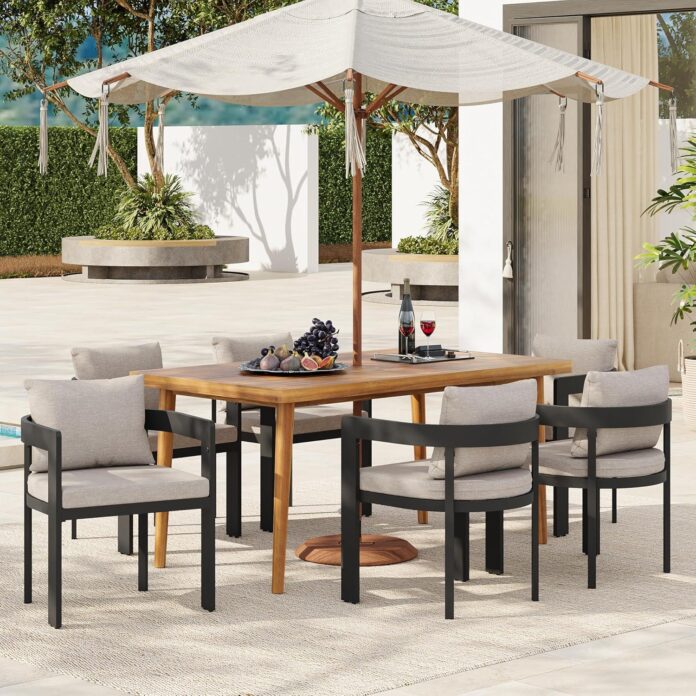
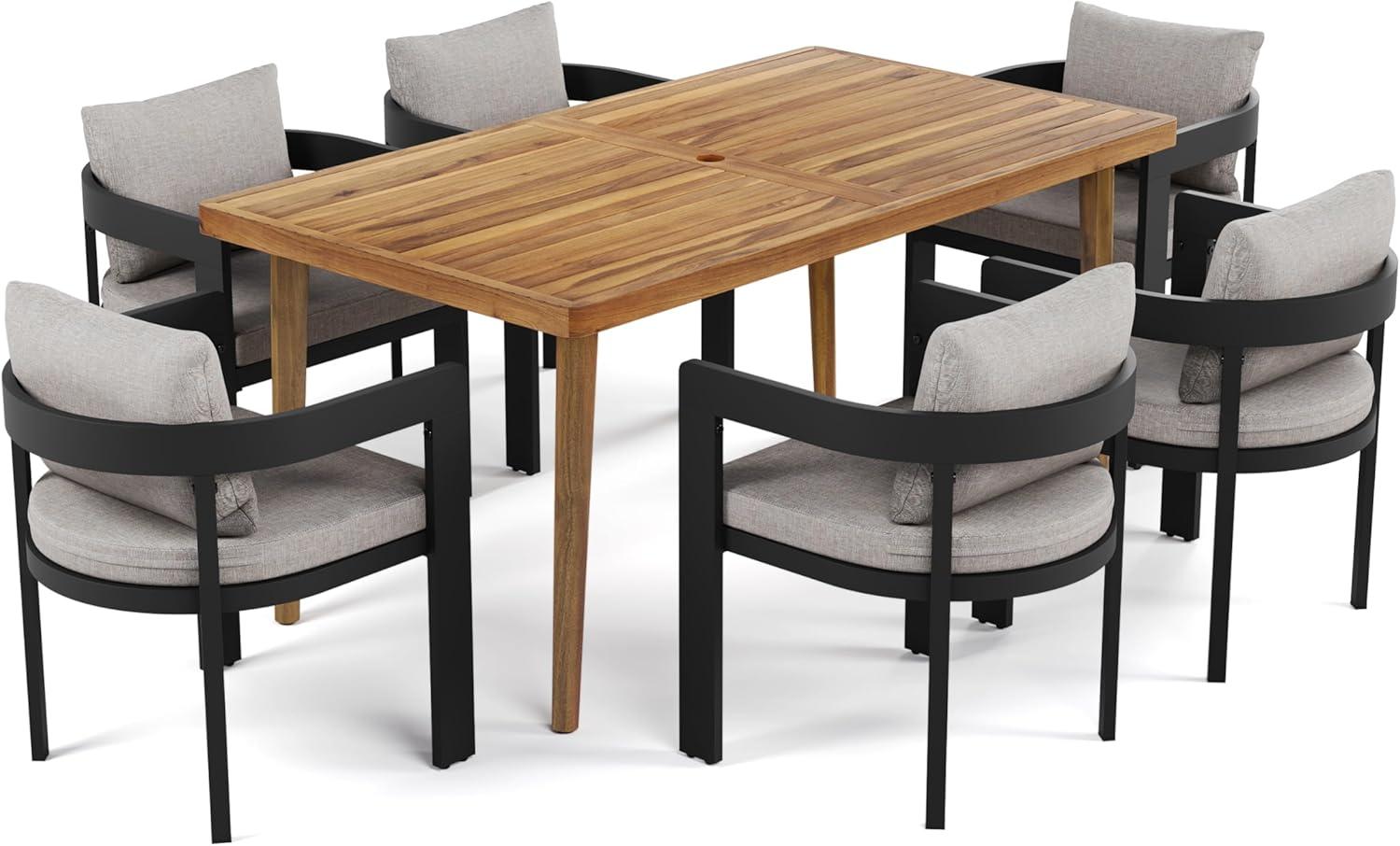
You notice the warm grain of the acacia first; the Christopher Knight Home Elko Acacia Wood Outdoor Dining Set catches the afternoon light across its slatted top. Think of it simply as the Elko set — a seven-piece grouping that fills the patio without feeling overpowering. Up close the wood is slightly textured under your palm, small knots and color variations giving it a lived-in look, while the dark-gray aluminum frames feel cool and unexpectedly light. Sit down and the cushion compresses with a dense,immediate return; from a step back the mix of teak-toned wood and darker metal reads as a calm,honest presence in the space.
When you unpack the Elko Acacia Wood seven piece dining set and take in the components
The first thing you notice as you cut through tape and peel back cardboard is how the parts arrive in neat, compact bundles. Panels and legs are wrapped separately, some in thin plastic and some cushioned by foam corners; small hardware bags are taped to larger pieces or tucked into a box corner. An instruction sheet sits on top, folded flat with illustrations that become a reference as you work through the pieces laid out on the floor or patio.
Spread out, the components read like a furniture puzzle. The rectangular top lies flat with protective tape over the central opening for the umbrella; the slats catch the light and you can trace the grain where the wrapping pulled back. metal chair frames arrive nested and padded — when you pick one up the curved back becomes obvious, and the legs pivot slightly in your hands as you find the included screws and washers. Cushions are vacuum-wrapped or compressed in plastic, the fabric a little wrinkled; you unfasten a zipper, slide your hand in, and the foam gives up a quick sigh as it re-expands.You find small extras too: rubber feet, a set of Allen keys, and clearly labeled bags for the various fasteners. As you position cushions onto seats you smooth seams, tuck corners, and shift each seat cover until zippers line up with the frame openings.
| Box / Bundle | What you typically find |
|---|---|
| Large box | Table top with umbrella hole, slatted panels, protective foam |
| Medium bundles | Chair frames (stacked), legs, small hardware taped on |
| Small parcels | Cushions (compressed), hardware bags, instruction sheet, tools |
Between unfolding instructions and nudging parts into place, you develop a rythm: lay a leg down, find its matching fastener, tighten until it sits flush. Little habits show up — smoothing cushion fabric with the heel of your hand, nudging a screw into a countersunk hole, rotating a chair to line up a pre-drilled hole — and the set begins to look and feel like a coherent whole even before the final bolts are turned. Some surfaces carry a faint woody scent or a cool metallic touch; other bits rattle softly inside their plastic until assembled.
How the warm acacia tones and dark gray metal look in your backyard when the sun hits them
When the sun is high, the acacia slats take on a luminous, honeyed cast that makes the grain read more pronouncedly—you can pick out the rings and little knots as bands of warm color. The dark gray metal stays visually steady, mostly matte, but its edges and the curved chair backs catch thin lines of glare that brighten briefly as you move a plate or stand up. Light and shadow from the slatted top create a shifting striping across the table and the patio beneath it, so the contrast between wood and metal feels more graphic during strong sunlight.
Later in the day the tones shift again. the wood deepens into richer amber at golden hour and can look almost toasted in reflected light, while the metal softens, taking on a warmer, slightly bronzed appearance where the sun kisses it. Small interactions—brushing crumbs off the table, nudging a chair, smoothing a cushion—make tiny highlights travel across surfaces; those little motions break up flat reflections and let the wood’s texture and the metal’s finish read differently from moment to moment. Under a thin cloud cover the whole set calms down, colors appear more even, and the contrast between the warm wood and the dark frames becomes subtler.
| Time | How it looks |
|---|---|
| Morning | Cooler, deeper brown in the wood; metal appears neutral with soft edges |
| Midday | Honeyed, high-contrast grain; metal shows crisp highlights along contours |
| Golden hour | Wood glows amber; metal warms slightly where light strikes |
| Overcast | Muted colors and reduced contrast; textures are more even |
A close look at the construction you can inspect, from acacia planks to frame connections and supplied hardware
When you inspect the table surface up close, the acacia planks read like a collection of individual pieces rather than a single slab. The grain and color shift from board to board, and the slats sit on narrow gaps that let water run away when the table is wet; the edges are lightly chamfered and most plank faces show a uniform sanding and a clear exterior finish that sits in the low spots of the grain.Turn the tabletop over and the way the planks are fastened becomes clearer: you can see countersunk fasteners and small metal brackets where the tabletop meets the apron, plus reinforcement blocks under the corners. The apron itself is routed to accept the plank ends,so the joins are supported rather than simply butt‑nailed,and you’ll notice a few small filler plugs where through‑holes were closed off during finishing.
Look next at the frame connections and the hardware that arrives in the box.The legs bolt to metal brackets that are welded to short cross members; those welds are visible but neat, and the powder coat tends to hide minor tooling marks. At each bolt location you’ll find a head, a flat washer and a lock washer bearing against the bracket, and the supplied Allen keys fit those bolts without forcing. Plastic glide caps are already pressed onto the leg tips, and there are small snap‑on covers to conceal bolt heads once everything’s tightened. As you handle the pieces during assembly, the fasteners seat and the joints take on a little stiffness; over time the connections can relax a touch, so the hardware arrangement is clearly set up to be reachable for future tightening if needed.
| Included item | What you’ll observe in use |
|---|---|
| Hex/Allen keys | Fit the supplied bolts; small and reusable for later tightening |
| Bolts with washers | Used at leg and bracket junctions; washers sit flush under bolt heads |
| Lock washers / plain washers | Prevent easy loosening at vibrating joints; placed under heads and nuts |
| Plastic glide caps & bolt covers | Protect feet and hide fastener heads once assembled |
When you sit down: seat build, cushion materials, and the small tactile details you notice
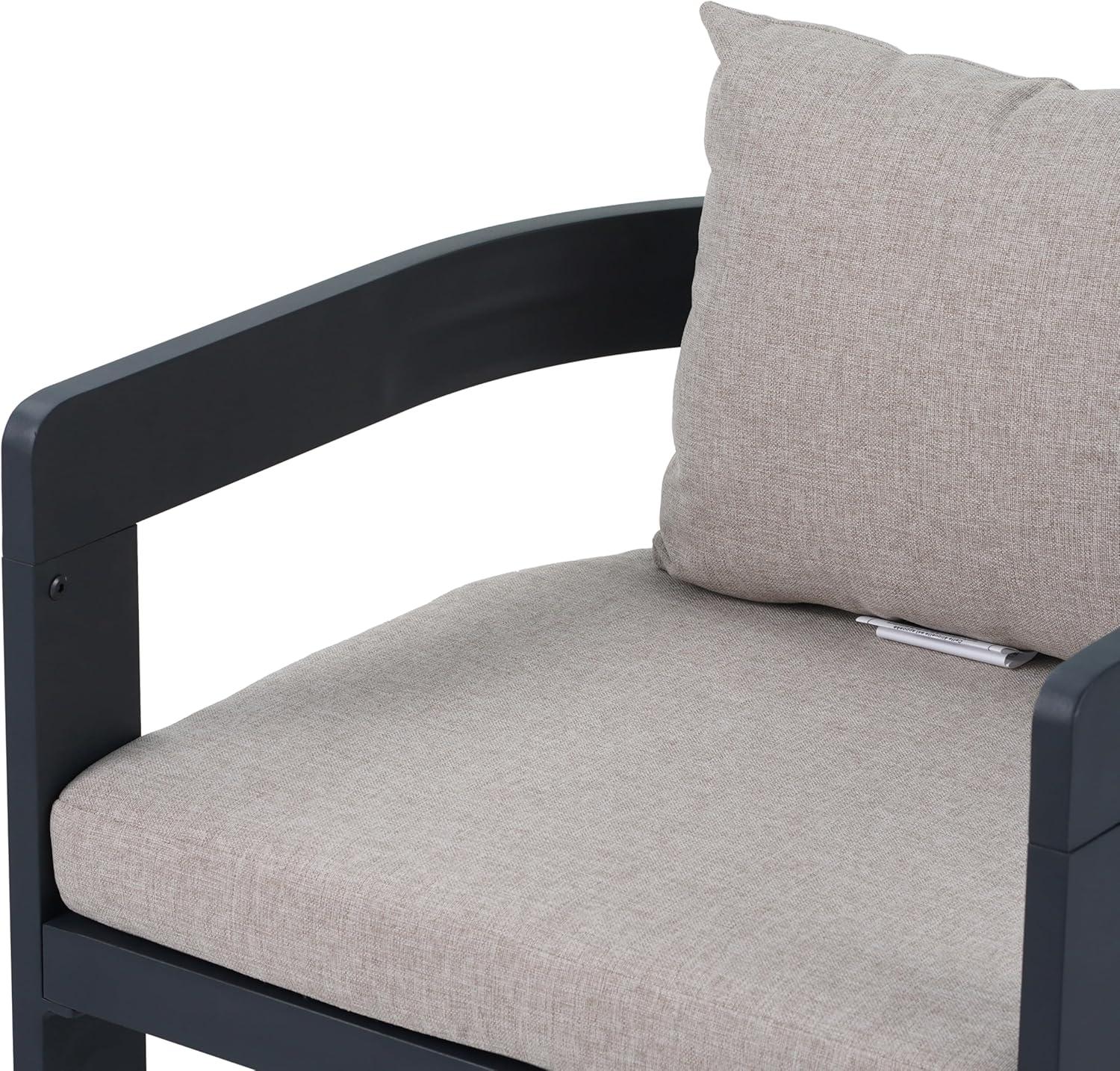
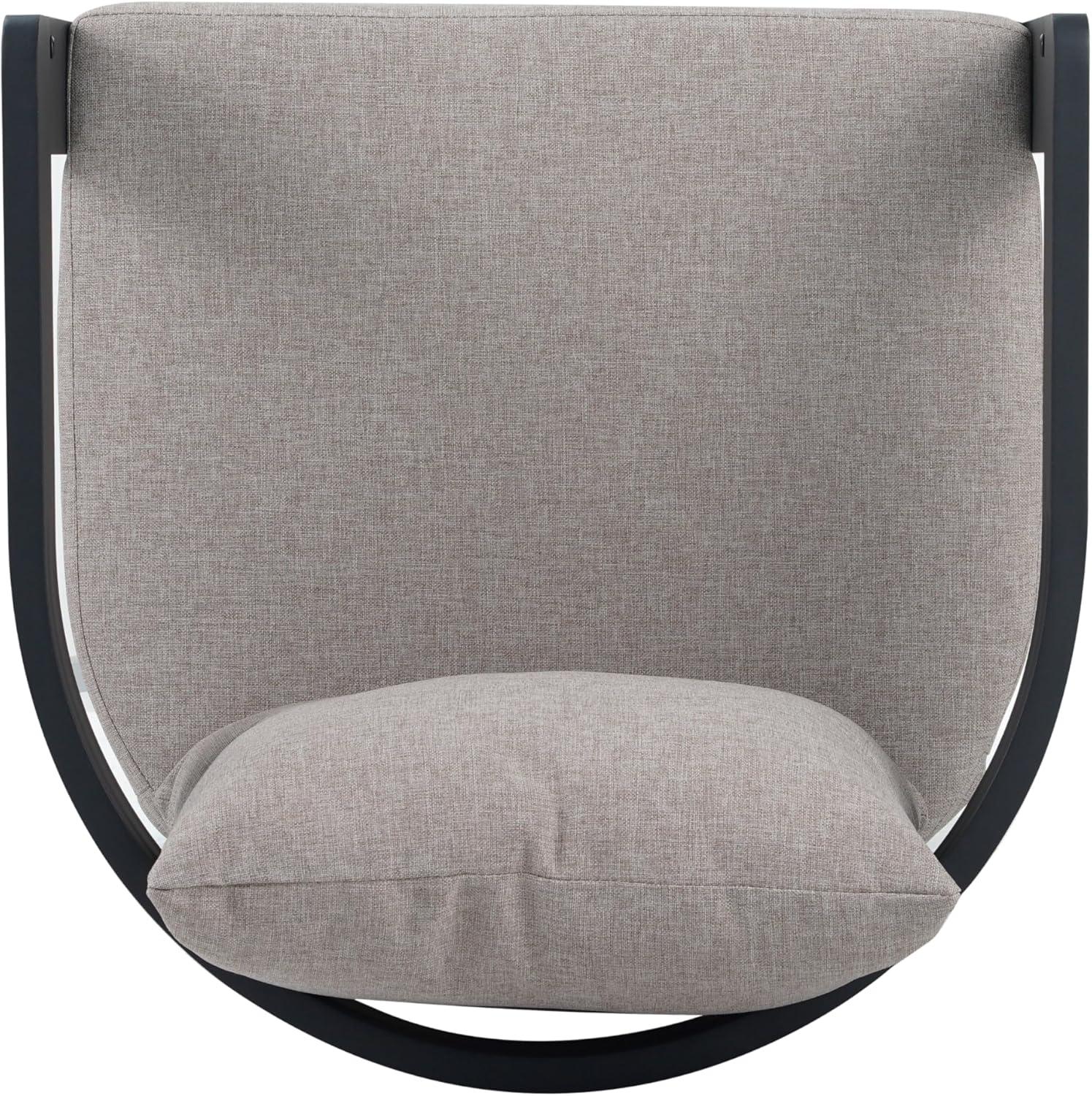
When you lower into one of the chairs,the first thing you notice is how the curved back meets behind your shoulders—a shallow wrap rather than a cradle. The cushion sits slightly recessed on the frame, so your hips settle into a defined edge before the pad compresses. The metal beneath gives almost no spring, but there is a faint, consistent firmness under the foam that you feel as you shift weight forward or back. You’ll find yourself smoothing the cover and nudging the pad into alignment a couple of times; the cushion can move a little on the seat surface as you change position, and the act of straightening it becomes an unconscious habit during longer meals.
The cushion cover is a tightly woven textile that feels a touch coarse at first touch, then softens with a few minutes of contact. Small details register under fingers: neatly stitched piping along the corners, a discreet zipper pull tucked under a seam, and the way the fabric gathers at the seam lines when you lean to one side. The padding compresses with deliberate resistance and then slowly resumes shape when you rise—there’s density to the core that you can sense through the cover, and the edges tend to feel firmer where the stitching holds the fill in place.The frame and metal touches are cool to the touch in the shade and warm in sunlight, and when you shift your feet you can feel the chair’s plastic glides meet the patio surface with a faint scrape.
| Where you notice it | How it feels in use |
|---|---|
| Backrest curve | Shallow,contacts shoulder blades rather than enveloping |
| Seat pan under cushion | Firm under the pad,minimal flex when shifting |
| Cushion surface and seams | Tightly woven texture,piping and zippers register under the hand |
| Padding behavior | Compresses with steady resistance and rebounds slowly |
An afternoon with the set,showing serving,clearing,and everyday handling as you observe it in use
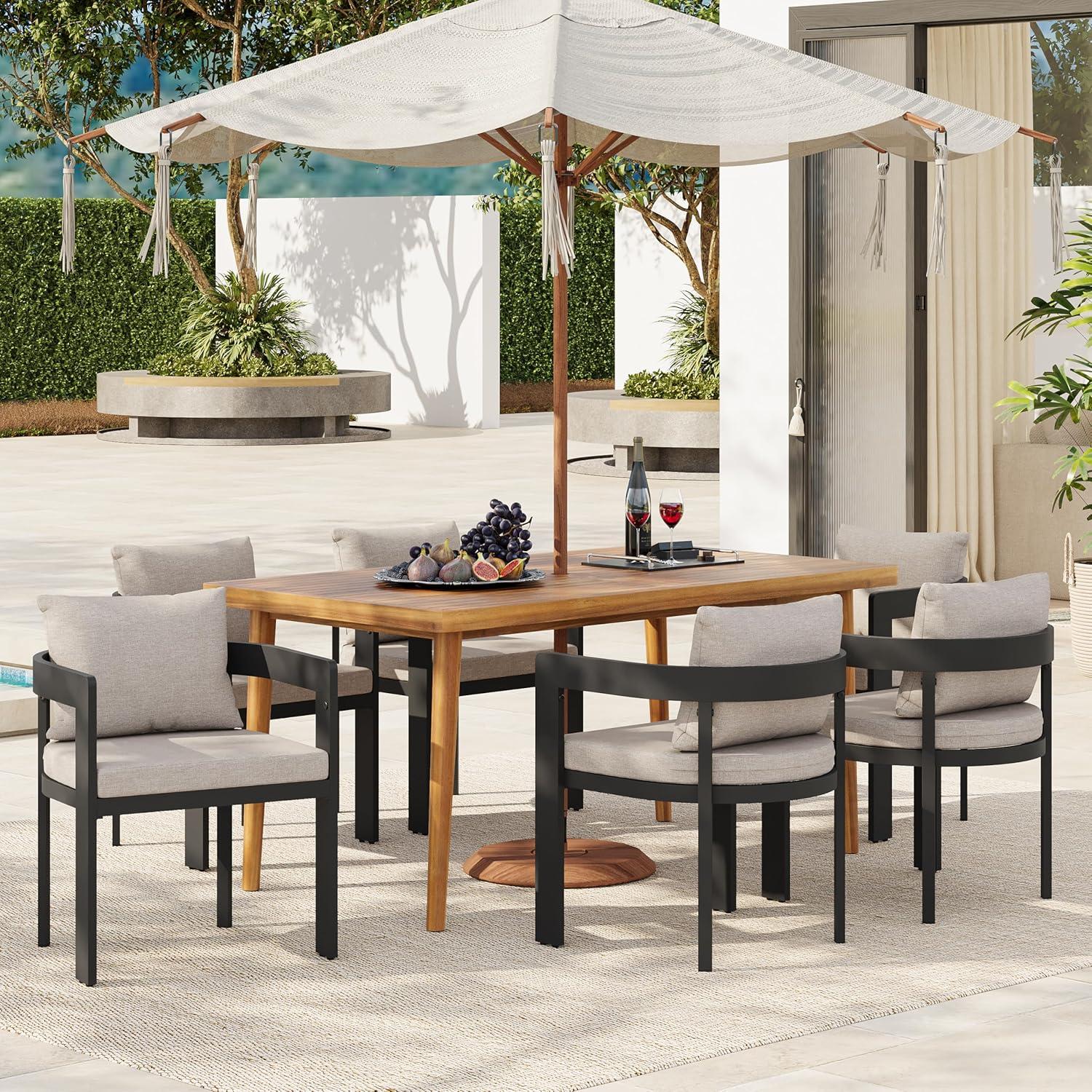
You set the scene by sliding chairs out and tugging the cushions into place, smoothing a corner that has creased from brief storage. As you carry platters across the patio and lower them onto the table,the surface stays level; reaching across to pass a dish feels familiar,with enough room in the center for several serving bowls. People around the table shift their seats, nudge cushions back into alignment and habitually push a chair slightly farther from the table before standing up — small, unconscious movements that read as part of the rhythm of an outdoor meal.
When plates are emptied and the meal winds down, crumbs collect in the slatted gaps and you end up brushing them toward the edge or tapping a napkin over your palm to catch loose bits. Cushions compress under weight and then spring back as people stand; seams and zipper pulls get a quick tuck or tug as you gather them for carrying inside. Clearing is a series of short trips: stacked dishes carried in groups, a damp cloth run along the tabletop where sauces were served, and chairs bumped gently back under the table until the area looks used but tidy. Little habits appear — someone always folds napkins on a corner of the table, another person scoops crumbs into their palm before walking to the trash — and they shape how the set lives through an ordinary afternoon.
| Moment | typical action | Observed detail |
|---|---|---|
| Serving | Placing platters and bowls | Center space holds several dishes; chairs are nudged back to pass items |
| Midmeal | Adjusting seating and cushions | Cushions compress and rebound; covers get smoothed and zippers realigned |
| Clearing | Stacking plates, wiping tabletop | Crumbs gather in slats and usually need a brush or cloth to remove |
How the set measures against your patio expectations and practical constraints
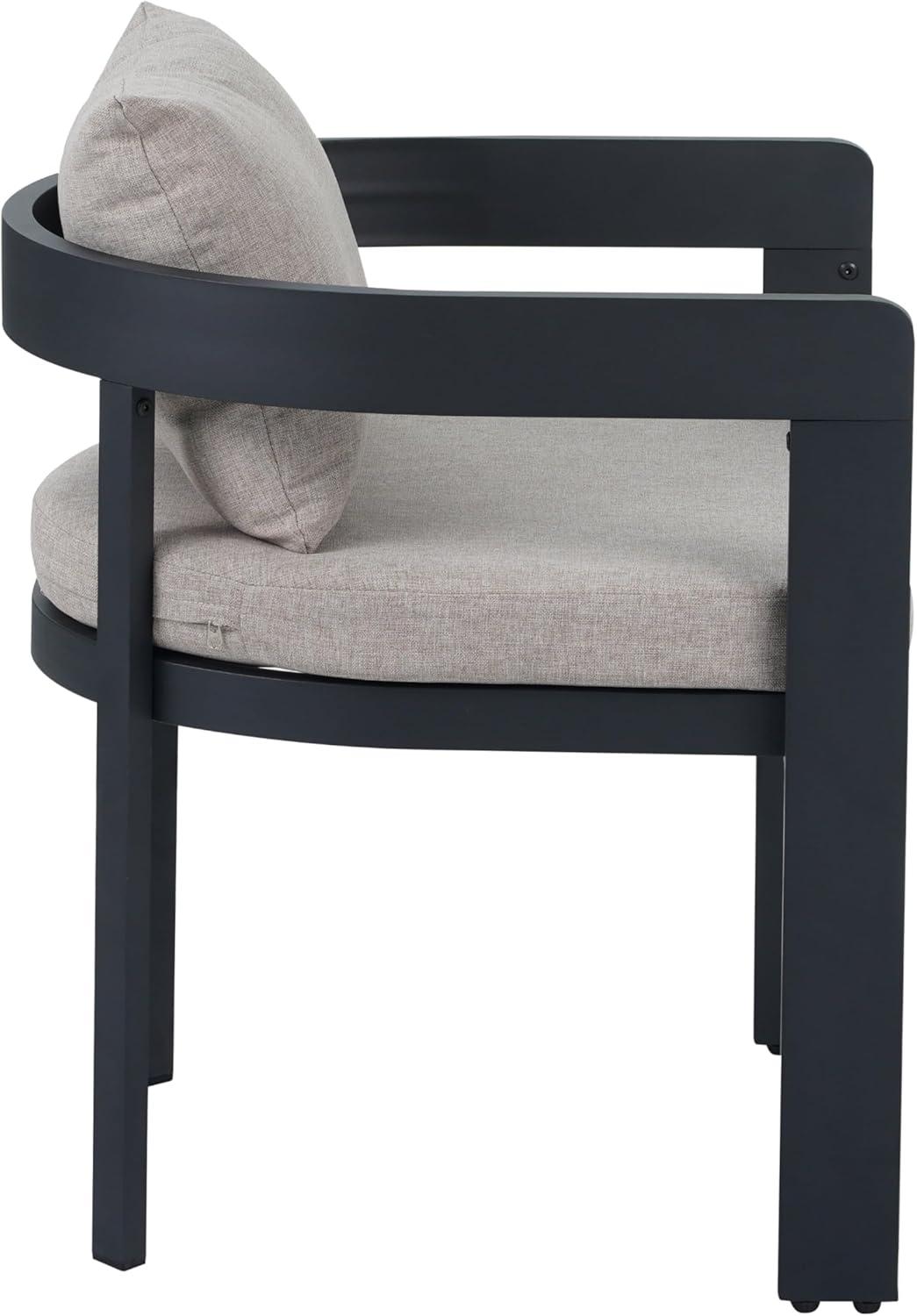
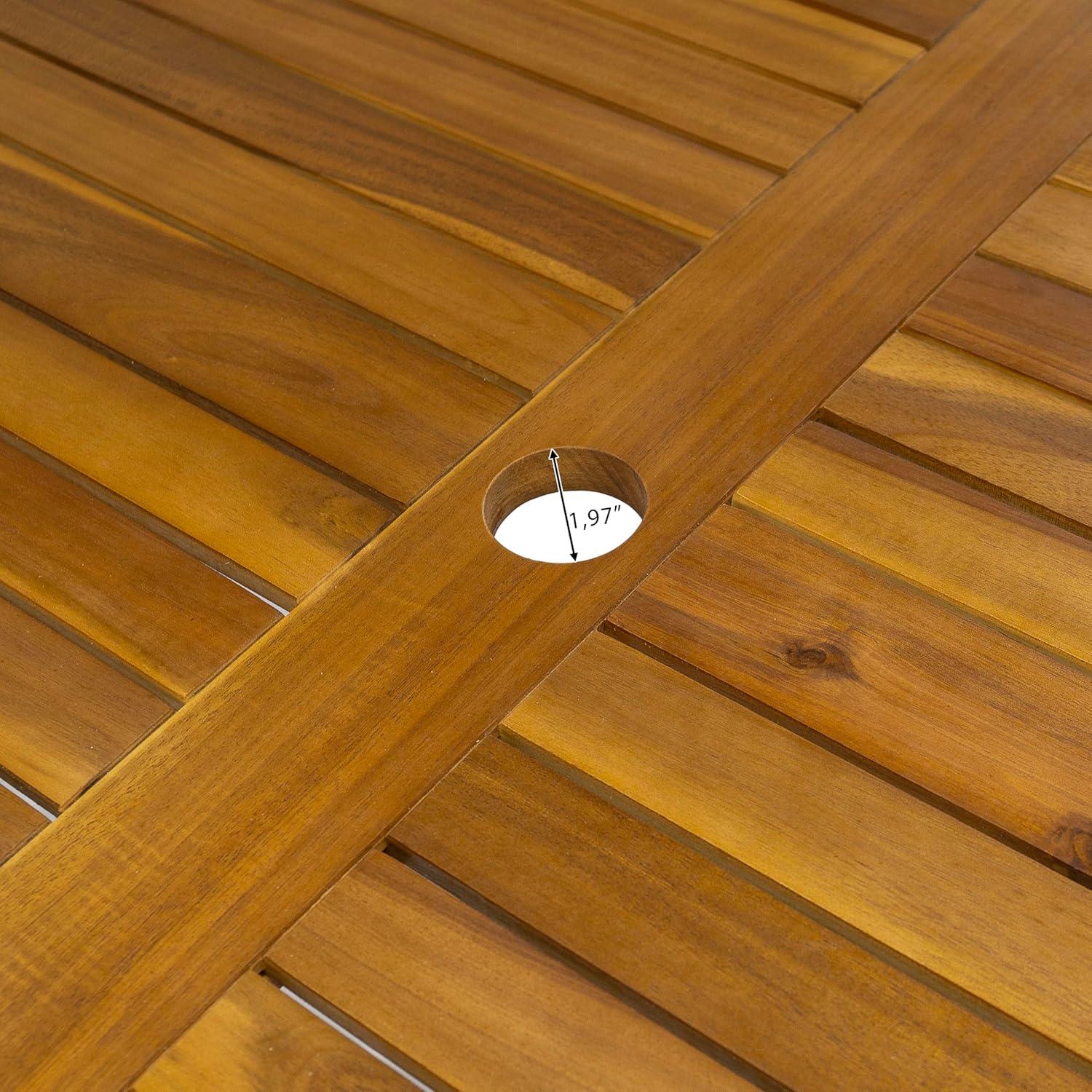
On a working patio the set tends to read as a clearly defined dining zone rather than a flexible seating cluster.Chairs are light enough that they slide out with little effort,and the cushions frequently enough require smoothing after people settle in; seams shift and covers are zipped more than once during an evening. When the table is in use, the umbrella hole becomes a visual and physical axis—an umbrella pole can interrupt sightlines and the space directly above the table feels more enclosed. The slatted top shows its usefulness when it rains, water running through the gaps while leaves and small debris sometimes collect between slats until swept away. Metal frames warm under direct sun and, in most cases, are cool again by evening; the wood surface darkens slightly when damp and then evens out as it dries.
Practical routines emerge quickly: cushions are removed for longer bouts of wet weather and put back on after being fluffed, bolts and connections may need a quick check after the first few uses as parts settle, and chairs are frequently nudged to create passing room along a busy path. On uneven patios the table can feel slightly off-level until the feet find firm contact, and frequent movement across pavers or gravel reveals small scuffs at contact points. These patterns reflect typical use rather than fixed limitations and tend to become part of the regular upkeep for the outdoor dining area.
| Constraint | Observed behavior |
|---|---|
| Space/traffic flow | Chairs slide out easily; walkways can narrow when seats are occupied |
| Weather/drainage | slatted top sheds water quickly; wood darkens while drying, debris can collect in gaps |
| Daily upkeep | Cushions are adjusted and fluffed frequently; fasteners and bolts settle with use |
View full specifications and available options
Care and storage notes from weeks outside and the weather effects you can observe
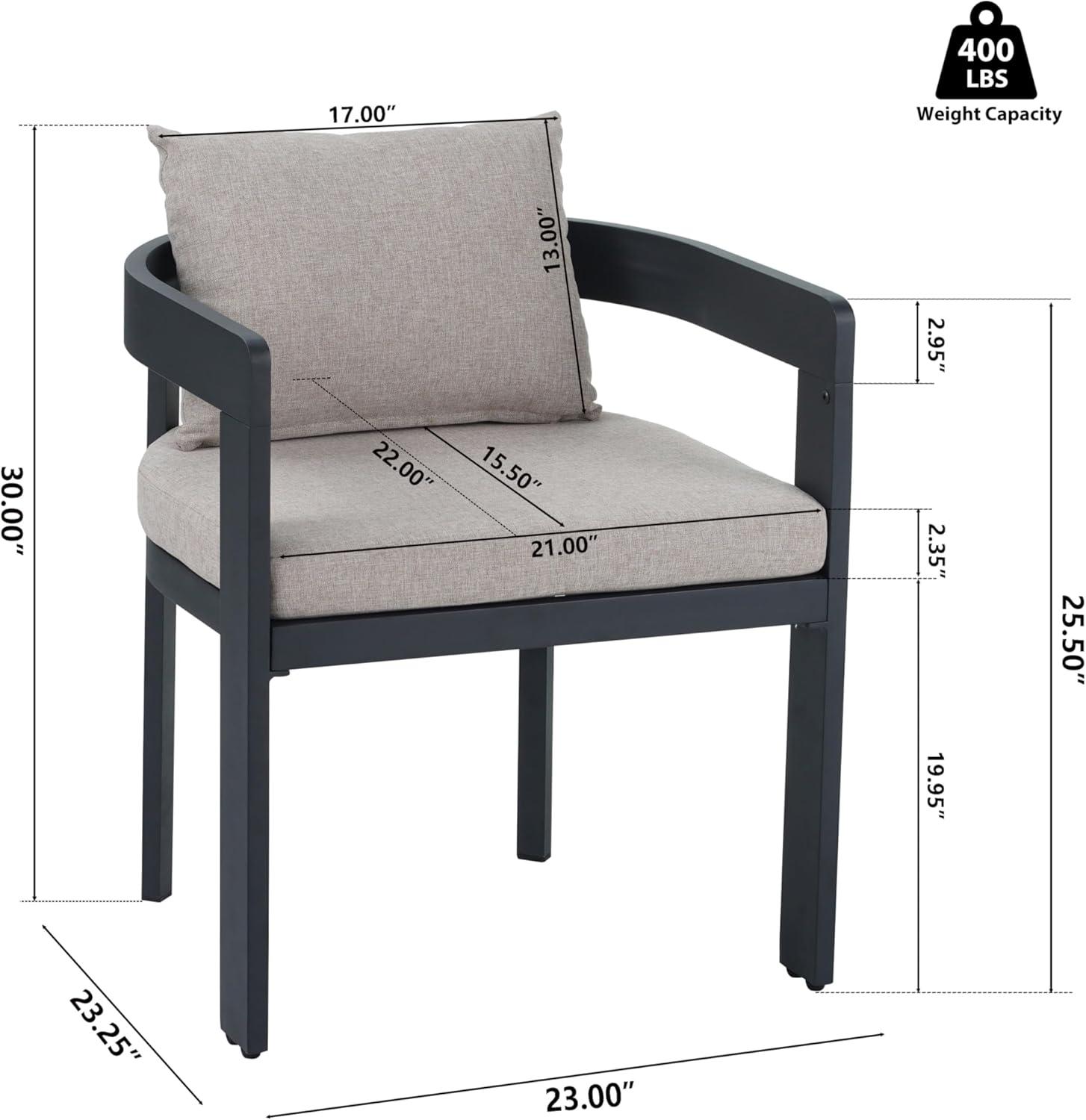
after a few weeks outside you start to notice the set as a lived object rather than a showroom piece. the acacia table’s surface develops a softer, sun‑washed tone in patches where sunlight hits most often; occasional darker rings show where water sat briefly in the slats after a rain. The aluminum frames mostly keep their finish, though a faint chalkiness can appear in places that catch the most spray or pollen. cushions tend to slump a little at the seams after repeated use, and you’ll catch yourself straightening and smoothing them more often than you expected.
| Time outdoors | Wood (visible changes) | Metal frame | Cushions and fabric |
|---|---|---|---|
| ~2 weeks | Slight surface dulling; water beads run into slats | Finish steady; dust and pollen collect | Minor creasing; damp from morning dew in low spots |
| ~6 weeks | Subtle patina where sun hits; small dark marks where water pooled | Occasional pale chalking in high‑exposure areas | Slight loss of loft at frequently sat spots; fabric shows light soiling |
| ~12 weeks | More even weathering; finer surface grain more noticeable | Color steady but finishing textures vary with exposure | Small mildew speckling in seams if left damp; foam recovers but holds faint indentations |
Seasonal swings show up in small ways: strong sun tends to mellow the wood color and can make fabric feel slightly stiffer to the touch, while humid stretches make creases hold and occasionally bring a faint musty scent from trapped moisture. In breezy, dry spells you’ll notice dust settling quickly but also blowing away just as fast, so the set looks different from day to day. You find yourself nudging cushions back into place, flipping them over when they feel damp, or tucking corners under after a windy afternoon—little habits that reveal how the materials respond over time rather than what they were like out of the box.
How the Set Settles Into the Room
Living with the Christopher Knight Home Elko Acacia Wood Outdoor Dining Set for 6, Wooden 7 Piece Patio Dining Table Set, Outdoor Metal Dining Chair and Table Set with cushion, Patio Furniture Set, Teak+Dark Gray, you find it taking on the rhythms of the day rather than demanding attention. over time you notice how it shapes space—chairs are nudged out of place,the table becomes a landing spot for mugs and mail as the room is used—while cushions soften and the wood gathers tiny marks that belong to regular household rhythms. It becomes a backdrop for breakfasts, homework spreads, and quiet conversations, a familiar presence in your daily routines.Slowly, it just stays.
As an Amazon Associate I earn from qualifying purchases.
