
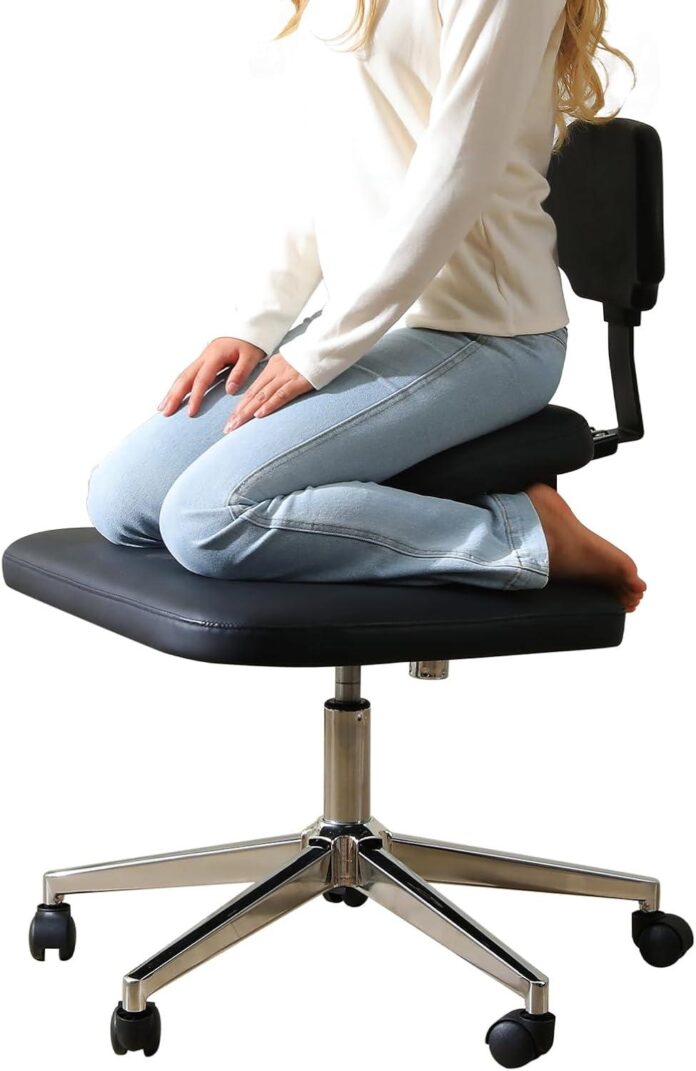
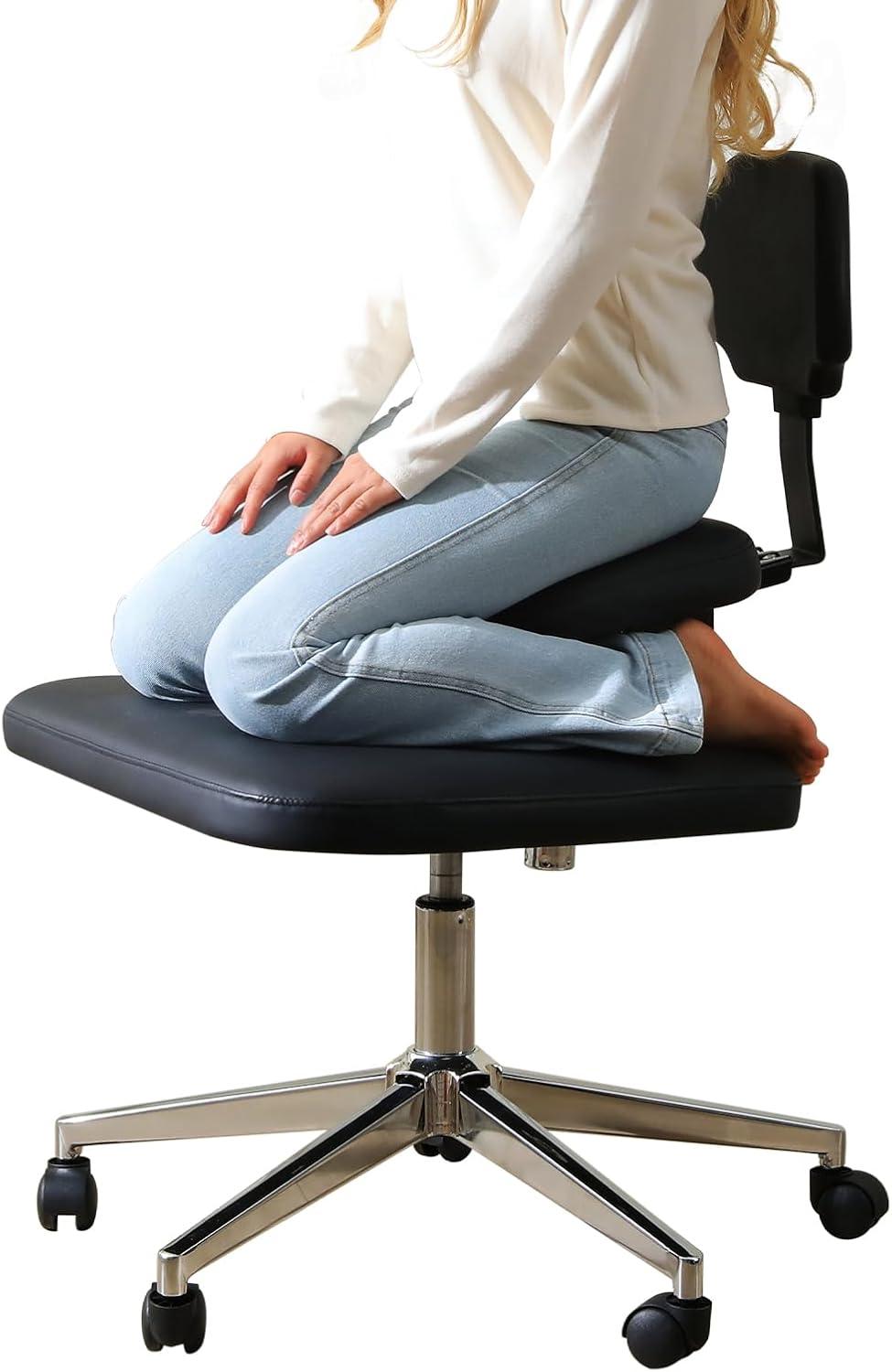
Sunlight catches on the matte-black frame of the Cross-Legged Chair — marketed as a kneeling chair with lumbar support and adjustable recline — giving it a quiet visual weight that anchors the room without shouting. Up close you feel the slightly coarse weave of the upholstery and the firm give of a highly elastic cushion; the two-layer pads shift under your hand like a small, purposeful mechanism. It sits lower and narrower than a typical office chair, the raised upper pad reading almost sculptural, and a nudge reveals smooth casters that roll without fuss. From the side its silhouette looks poised to change position—cross-legged, kneeling, reclining—before you’ve even settled into it.
Your first look at the cross legged kneeling chair
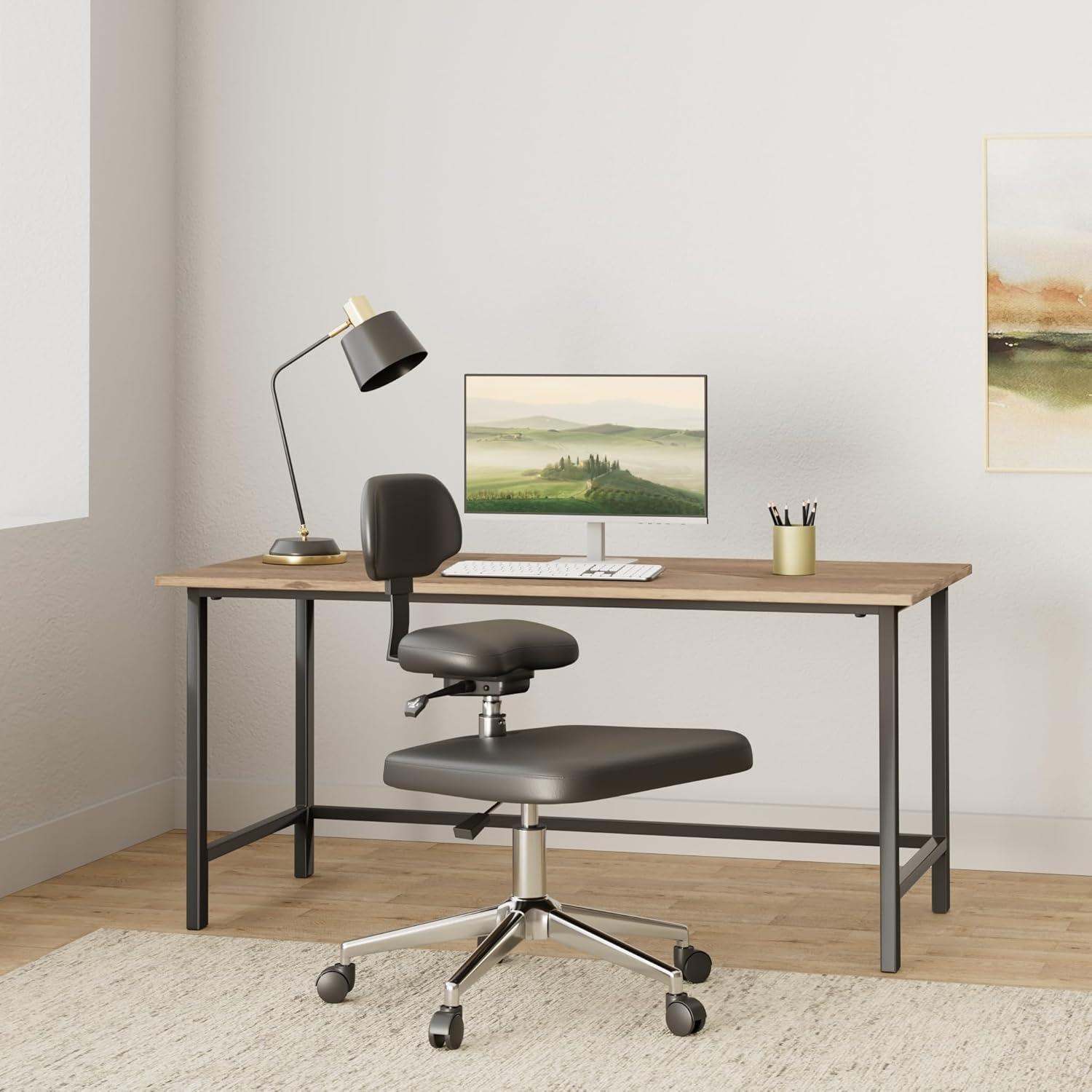
When you first unpack and set the chair in place, the layered profile is what catches your eye: a lower platform with an upper pad offset slightly forward, a modest backrest tucked behind it, and a set of casters that make the base look more mobile than bulky. The fabric and seams sit snug against the foam, but as you uncrate it you’ll likely find yourself smoothing a crease or nudging a cushion so it looks even; small impressions from packing and handling show up briefly before the materials settle.
On first sit, the geometry becomes more obvious. Your hips drop into a shallow cradle, the upper pad meets the underside of your thighs, and your knees find their place on the angled surface; you might shift once or twice until the cushions conform. Moving a little — rolling the chair a short distance or leaning back — reveals how the pieces react: the seat compresses slightly, the backrest follows a short arc, and the castors glide without much resistance. There can be faint noises or a bit of give as the foam beds in, and in most cases you’ll notice tiny, habitual adjustments (smoothing the fabric, nudging a pad) during that first ten minutes of use.
What arrives in the box and how it goes together
When you open the carton, parts are wrapped in thin foam and plastic; the cushions sit flattened against each other and the metal pieces have a light film of factory grease that rubs off on your fingers as you unpack. Tucked into a small bag are the fasteners and an Allen key, and the instruction sheet is a single folded page with exploded diagrams rather than long paragraphs. the largest pieces are the five‑star base with its castors,the gas column,the lower deck and the smaller upper pad,plus the backrest and a short mounting plate — everything else is tiny by comparison.
| Part | Approx. count |
|---|---|
| Five‑star base with castors | 1 |
| Castors | 5 (usually pre‑fitted or loose) |
| Gas column | 1 |
| Lower deck (main seat) | 1 |
| Upper pad (small cushion) | 1 |
| Backrest and mounting plate | 1 set |
| Bag of screws, washers, small fittings | 1 |
| Allen key & manual | 1 each |
Putting the pieces together follows a predictable sequence: the castors push into the base (you’ll hear a soft click if they seat fully), the column slides into the center socket, and the seat decks meet over a bracket so you can align the screw holes. The fasteners are small and you tend to tighten them a bit at a time so the holes line up, then finish with the Allen key.The upper cushion slips over its mounting bracket and shifts a little when you smooth the fabric; it’s common to nudge seams and reposition the pad after the first few turns of a screw. The backrest attaches with a couple of bolts through the plate and feels secure once those are snug,though you may find yourself going back to retighten after sitting and shifting a few times.
how the frame, cover and lumbar pad are put together and finished
When you settle onto the chair the metal frame reads as a single, continuous support rather than a handful of loose pieces.The main tubes are bolted together at obvious junctions; those bolts sit behind small plastic caps so you rarely see bare hardware while seated. The black finish is matte and smooth enough that your hand slides along it without catching; at close range you can make out faint weld seams where the pieces meet, but those edges are rounded and don’t press into you as you shift. As you change position the uprights give a little before settling, and the points where the frame meets the seat deck make a soft, mechanical sound rather than anything high-pitched or tinny.
The seat cover and lumbar pad are fitted in ways you notice in use more than when you inspect them on the floor. The cover wraps over the foam and tucks under the seat shell; a zipper and a strip of hook-and-loop fastener hide on the underside, so when you sit you mostly feel fabric against foam rather than exposed hardware. The seams run along predictable tension lines—across the front lip and down the sides—and you’ll find yourself smoothing a small wrinkle near the outer seam after sliding into a cross-legged position. The lumbar pad is attached with an adjustable strap and a patch of Velcro that keeps it from wandering, though it can shift slightly if you consistently slide forward or stand up speedy.
| component | How it’s joined | Visible finish while seated |
|---|---|---|
| Frame tubing | Bolts and welded joints, plastic caps over fasteners | Matte black coat with subtle weld lines |
| Seat cover | Stretched over foam, zipper + hook-and-loop underneath | Smooth fabric surface with sewn seams at edges |
| Lumbar pad | Adjustable strap and Velcro attachment | Padded surface that sits flush against the backrest |
In everyday use you develop small habits around these finishes: you’ll smooth the cover’s front edge after coming back to the chair, adjust the lumbar pad half a click when it drifts, and run your fingers along a joint to check for looseness. The assembly choices show most when the chair moves—the caps conceal the hardware, the cover keeps the foam clean, and the lumbar strap holds things in place while allowing a little play as your posture changes.
The seat, knee rests and padding, what they feel like and how they sit against you
When you lower yourself onto the chair the seat gives with a measured, springy resistance; the foam compresses beneath your sit bones and then settles, so the first few minutes feel different than later in a session. The central pad tends to cradle the rear of your pelvis while the front edge allows your thighs to rest more freely when you cross your legs, or to press lightly against the underside of your knees when you sit in a kneeling posture. As you shift—smoothing fabric with a fingertip or scooting forward—the seams and any panel joins become more noticeable against your skin or trousers,and the cushion will briefly hold the shape of your weight before rebounding. Over time the surface warms and feels a touch softer; small adjustments (repositioning a hip, shifting a knee) are common and change wich part of the pad takes the load.
Knee rests press across the shins and lower thighs with a firmer give than the main seat. They offer a rounded contact that spreads pressure rather of concentrating it at a single point, but you can feel their edges if you sit very close to them or move sharply. The padding on those rests tends to compress more where you place the most weight, and it can require subtle repositioning as you change leg angles. When you recline or alter the upper pad position the relationship between seat and knee rests shifts—what was a broad, flat contact can become more focused on the shin. Small habits show up quickly: you might instinctively smooth the cover, nudge a knee rest into place, or shift until seams and edges sit just out of the way.
| Contact point | How it feels initially | What changes with use |
|---|---|---|
| Seat center | Springy,contouring under sit bones | Warms and softens slightly; retains a faint impression after long periods |
| Front edge | Gentle support beneath thighs or knees,depending on posture | May press more noticeably when legs are repositioned |
| Knee rests | Firmer,rounded contact across shins | Compresses where most weight is applied; frequently enough needs slight readjustment |
Adjustment range,recline settings and the chair’s spatial footprint in your room
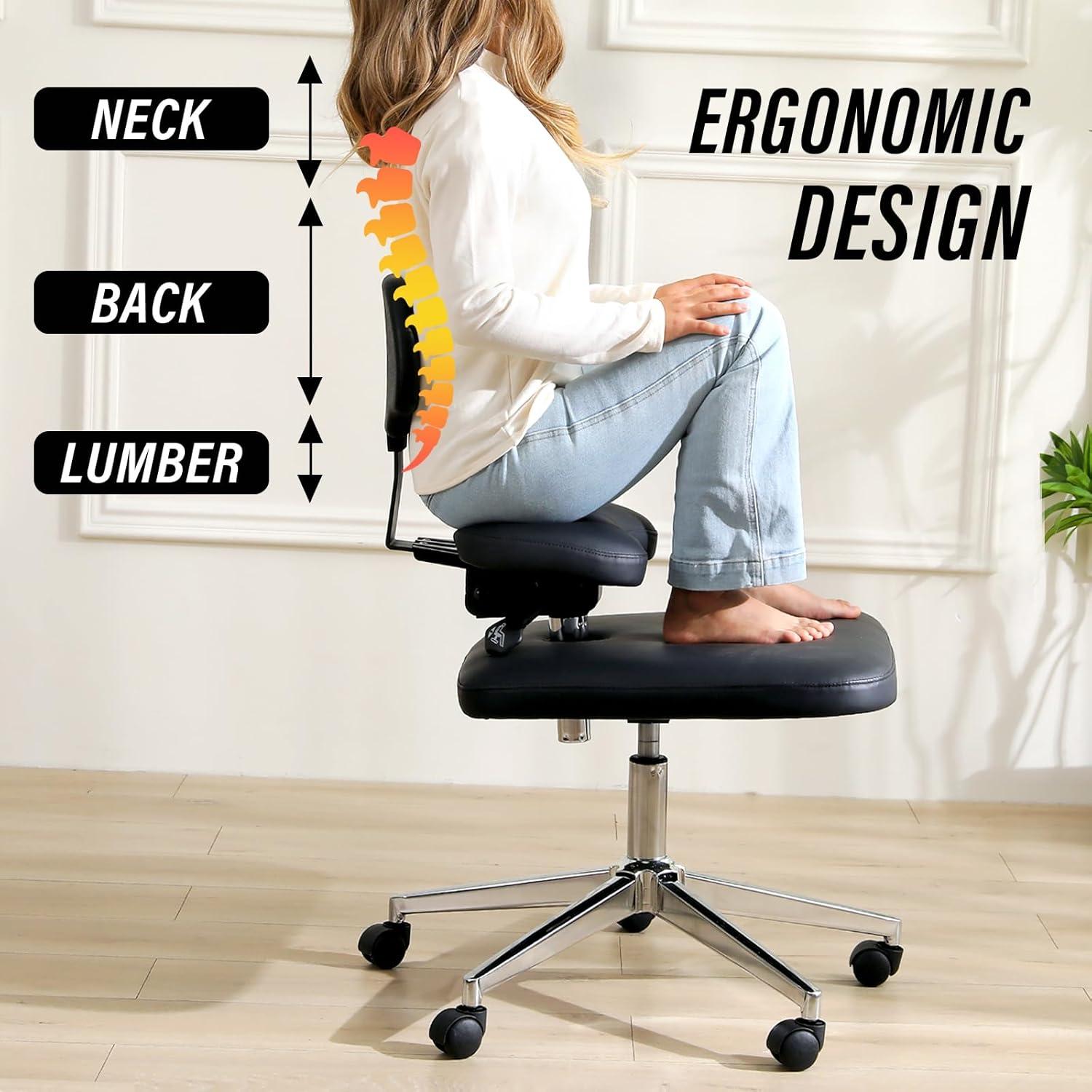
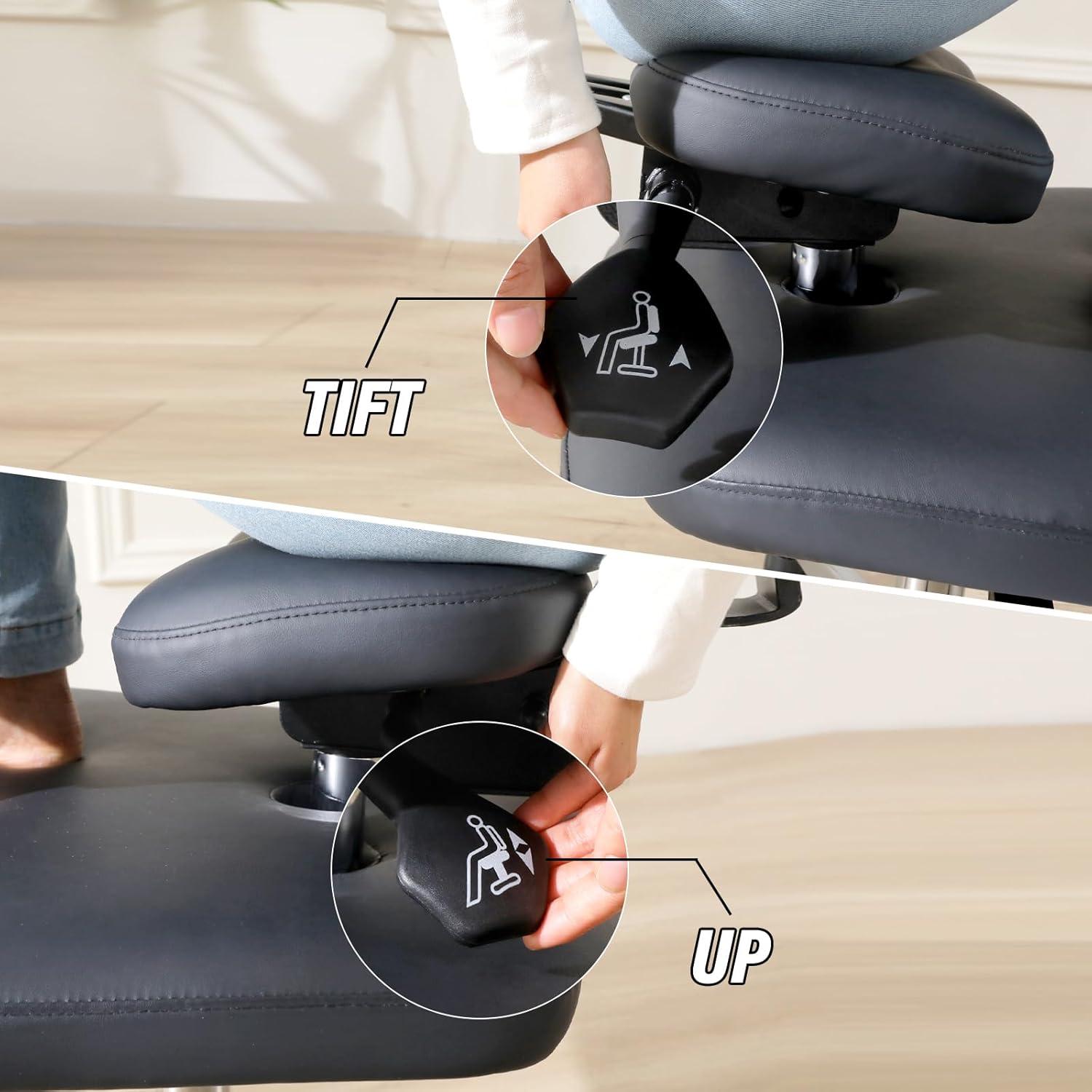
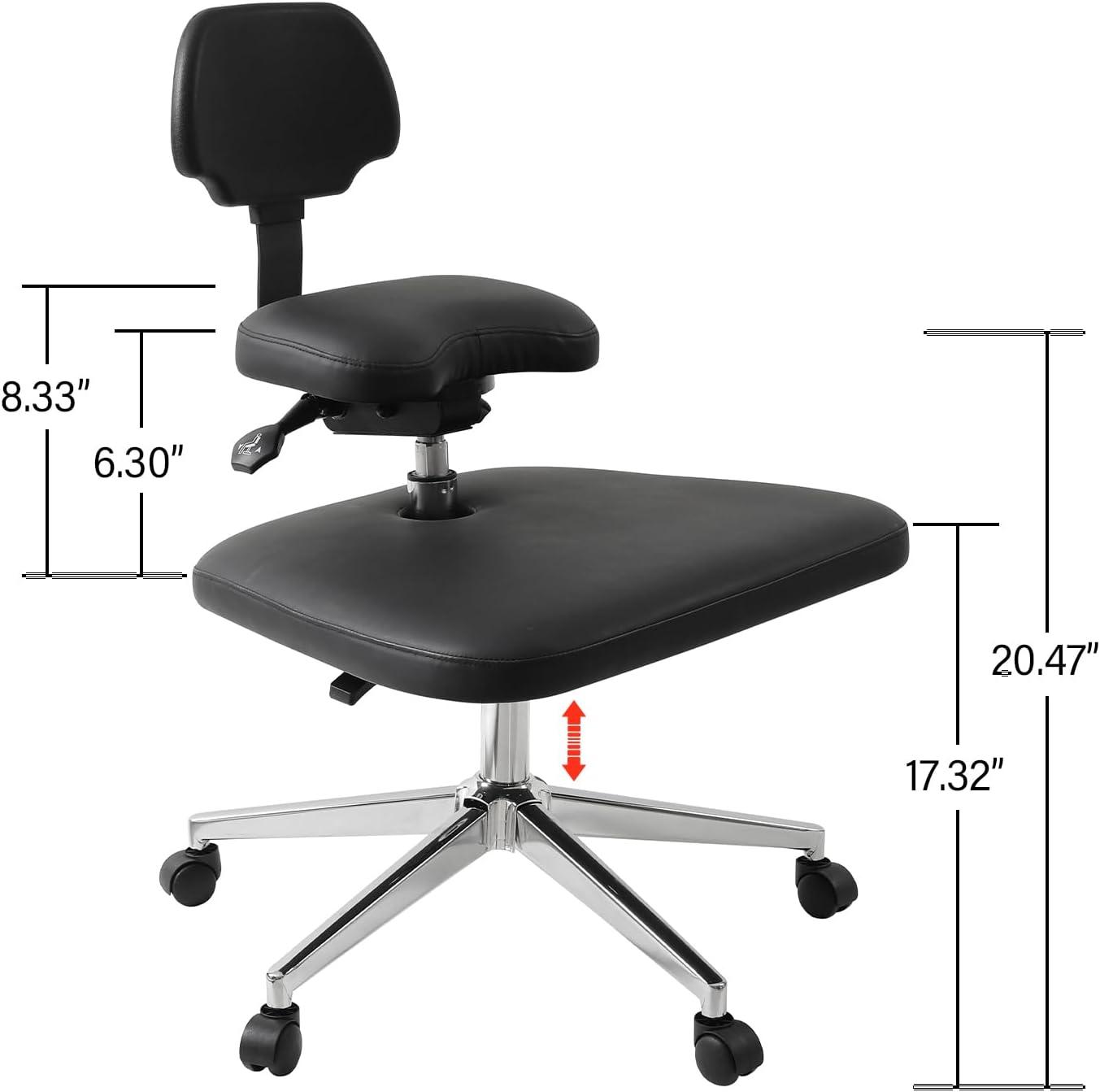
When you sit and reach for the adjustment controls, the chair reacts in a way that feels incremental rather than abrupt. The lower deck rises and lowers through a clear span, and the smaller upper pad moves independently so you end up making small, repeated tweaks—patting the cushion, smoothing the seam, nudging the pad forward—until the contact points settle. The recline mechanism is felt mostly as a change in how the upper cushion meets your hips and lower back; as you lean, the angle shifts the load between the seat and the backrest and the knee pads shift slightly under your thighs.
The available tilt doesn’t throw the whole frame back into a long, horizontal sweep. Observers tend to note a moderate range of backward pitch that keeps the chair’s overall height within a few inches of its upright position, rather than a full-tilt theater recline. While you’re adjusting, small clicks or stops can be felt as the cushion layers find a new resting angle, and the castors allow you to reposition without standing up. In everyday use this means you switch between postures often—briefly reclining to stretch, then nudging the height or pad position when returning to a more forward task.
Space-wise the chair occupies roughly the footprint of its five-star base when stationary, and the 360-degree casters let it sweep a circular path without dragging. When the back is tipped toward its rearward settings, the chair demands a little extra clearance behind it; the pair of knee pads and the upper cushion can extend the effective depth by several inches compared with the upright position. Doors, low shelving, or a desk return close behind will be encountered sooner than they would with a low-profile stool, and casual swivels while seated can nudge nearby objects if the room is tight.
| Position | Typical spatial behaviour |
|---|---|
| Upright | Footprint roughly equals base diameter; minimal rear clearance needed |
| Reclined | Seat-back pitch increases effective depth by a few inches |
| Swivel/move | Needs clear circular area equal to the base plus smooth floor for casters |
View full specifications and options
Where the chair suits your routines, how it compares with expectations, and the limits you may encounter
In everyday use, the chair frequently enough becomes part of a pattern of small adjustments rather than a single-set-and-forget seat. Users tend to shift between a cross-legged perch for short focused tasks, a kneeling posture for brief stretches, and a more upright position when typing for longer stretches. The two-tier pad arrangement is something people reposition quietly with a hand on the seam — nudging the upper pad, smoothing the fabric, or angling a hip a fraction — so the chair accommodates short, varied bursts of activity more naturally than long, uninterrupted sitting sessions.
Expectations about mobility and support mostly line up with common experience, with a few caveats. The castors readily move the chair along hard floors and make small reach-and-return motions simple; on plush carpet the same motions demand more effort. The backrest provides perceptible contact when leaning back a little, but users report returning to the pads and readjusting the deck after longer periods because cushion compression and body shifts change the balance. The recline feels useful for brief breaks or eased breathing but does not replace a fully reclined rest; similarly, kneeling relieves forward pressure in short cycles yet can feel concentrated around the shins if a position is held without resetting.
| routine | Typical experience | Limits encountered |
|---|---|---|
| Short focused work (30–60 min) | easy posture changes; smooth small movements | Needs occasional pad nudging to maintain comfort |
| Extended typing sessions | Back contact and upright support are noticeable | Cushion settles over hours; repositioning becomes more frequent |
| Meditation or yoga breaks | Stable surface for cross-legged or kneeling pauses | Long holds concentrate pressure on knees or hips |
Small, everyday habits — leaning forward to reach a keyboard, sliding a foot to redistribute weight, or swinging the chair slightly to change a sitting angle — reveal the chair’s behavioral limits: it performs as part of an active routine rather than as a static substitute for a conventional office chair. Over time, users tend to accept a rhythm of brief position changes and minor adjustments as the normal way to get the most from the design.
View full specifications and options
Care,cleaning and moving the chair through your home or office
when you move around in the chair or roll it from room to room, the castors engage immediately and the seat shifts under you with a noticeable give. You’ll find yourself smoothing the upholstery after shifting positions; seams can catch a fingertip when you slide the top pad, and the foam compresses briefly before springing back. Pushing the chair across carpet feels different than across a hard floor — the wheels tend to roll freely on smooth surfaces but can stick slightly on thicker pile or at door thresholds. If you lift the chair to carry it, the weight settles unevenly as the pads and backrest shift, so you naturally cradle the base and steady the upper pad with a hand.
Cleaning and routine care
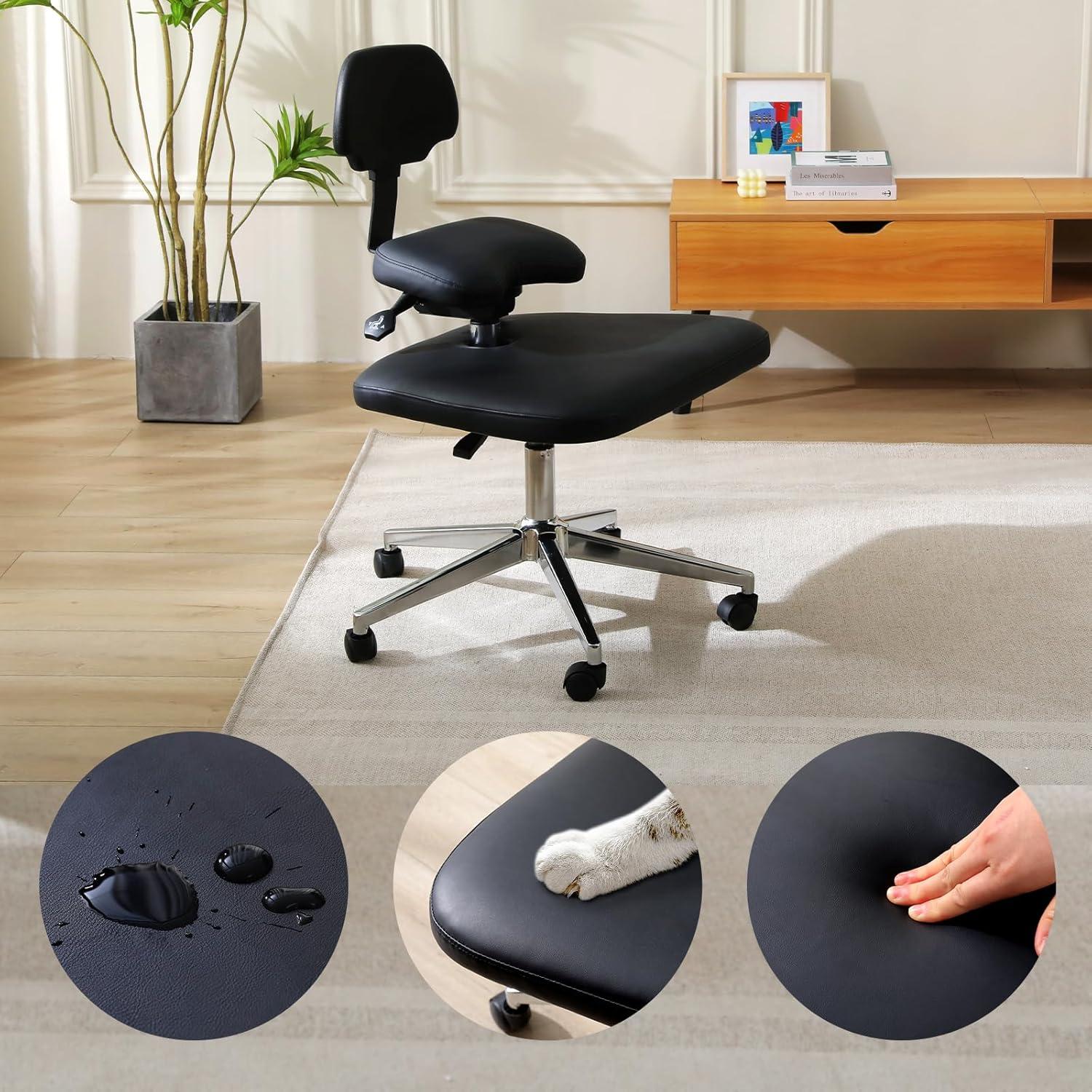
Dust collects along seams and in the junctions where the two cushions meet, and lint shows up more readily on darker fabric when you shift the pads. Light maintenance usually consists of brushing or vacuuming those areas, and blotting spots before they set.Minor spills respond to a gentle, damp cloth and mild soap; you’ll notice the fabric darkens while wet and then lightens as it dries. Avoid soaking the pads — the inner layers absorb moisture and take time to return to shape, so air-drying flat tends to keep things even. Metal and plastic parts pick up scuffs; wiping them down with a soft cloth removes fingerprints and surface dust without much fuss.
| Surface | Typical action | What to expect while drying |
|---|---|---|
| Upholstery | Vacuum or brush; spot-clean with mild soap and water | Fabric darkens when wet, then returns to normal as it air-dries |
| Foam pads | Blot spills promptly; avoid heavy saturation | Pads compress while damp and slowly regain loft |
| Wheels & base | Wipe with damp cloth; clean debris from wheel housing | Dries quickly; wheels roll freely once clear of hair and grit |
Small habits make a difference: you may often lift a cushion to check for crumbs, tuck the seat back into place after sliding, or rotate the chair to nudge it through a narrow doorway. Over time, the fabric and padding develop subtle creases where you sit most, and a quick pass with a hand flattens them out again. For routine moving, rolling the chair is usually enough; when doorways or stairs force you to lift, steady the chair so pads don’t shift unexpectedly.
How it Lives in the Space
Over months, when the cross-Legged Chair, Kneeling chair with lumbar Support and Adjustable Recline Angle, Ergonomic Office Chair for Office, Home and Yoga Enthusiasts, Meditation Fanatics (Black) settles into a corner you come to treat it like any other familiar object: its angle and give fit into the shape of your day rather than announcing themselves. In daily routines you notice where the fabric softens from use, how the lumbar pad remembers the same small curve, and how it quietly changes where cushions are left and which stretches start your mornings as the room is used.It mostly lives in the background of regular household rhythms, moving from one small habitual moment to the next, and over time it simply becomes part of your room.
As an Amazon Associate I earn from qualifying purchases.
