
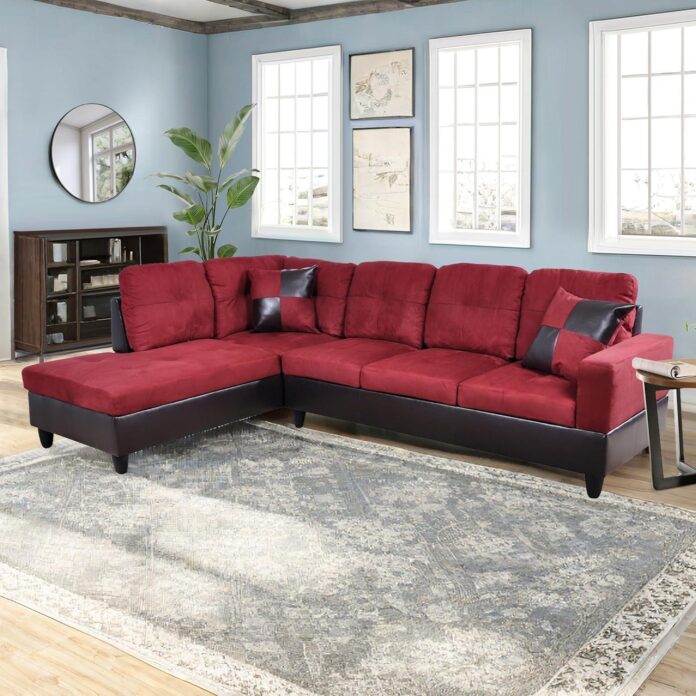
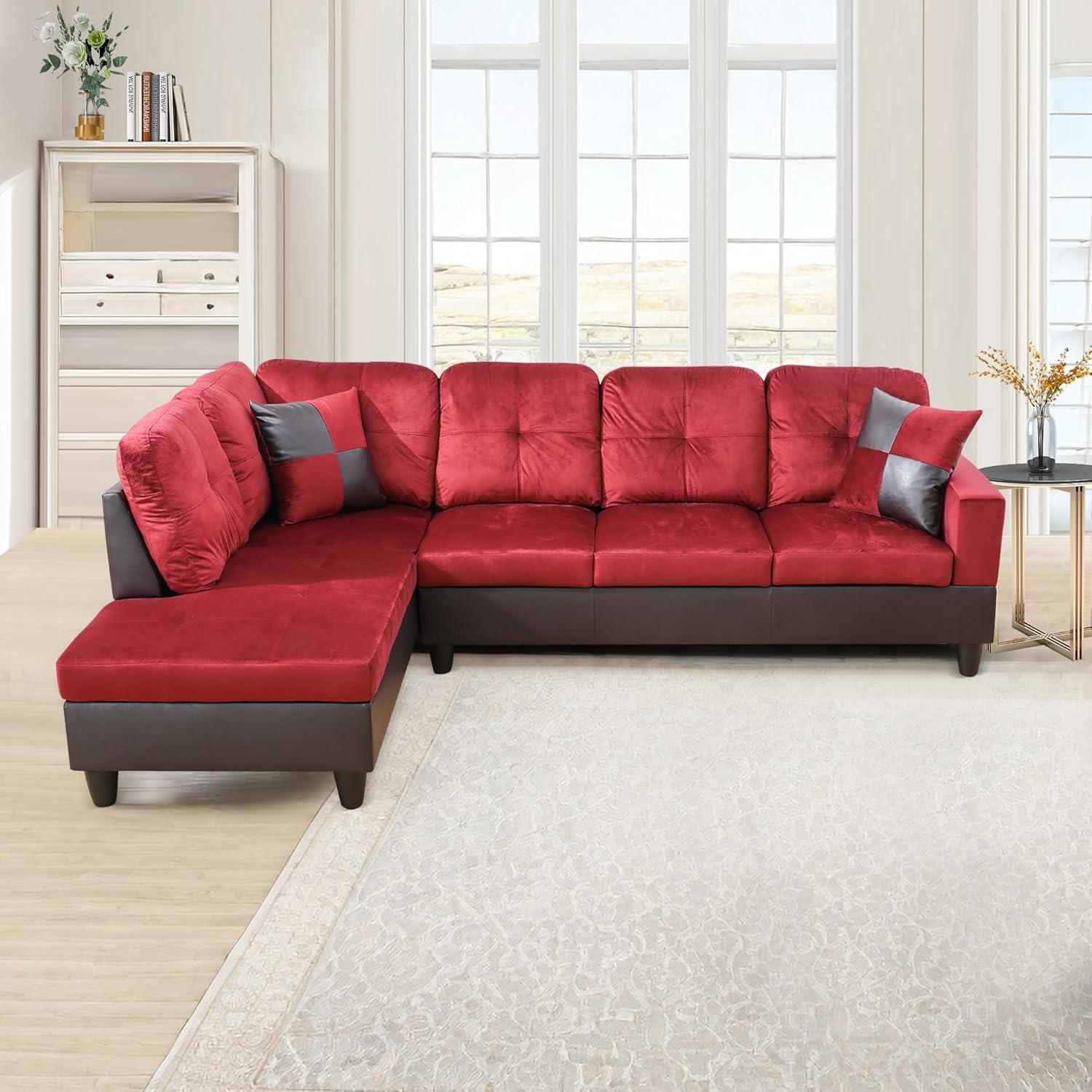
Light catches first on the red fabric, the black trim cutting a bold, geometric line that gives the piece a noticeable visual weight in the room. Up close, the cushions have a firm, springy rebound under your hand—there’s a controlled give that feels resilient rather than floppy. The chaise detaches and moves independently; its depth lets you stretch out without losing the sofa’s overall balance. The upholstery is slightly textured to the touch, and the frame feels solid beneath you, lending a steady, grounded scale to the arrangement. in this living space the NicBex L-shaped sectional reads as a modern, lived-in centerpiece rather than a staged prop.
Your first look in the living room with the NicBex L shaped sectional in red and black
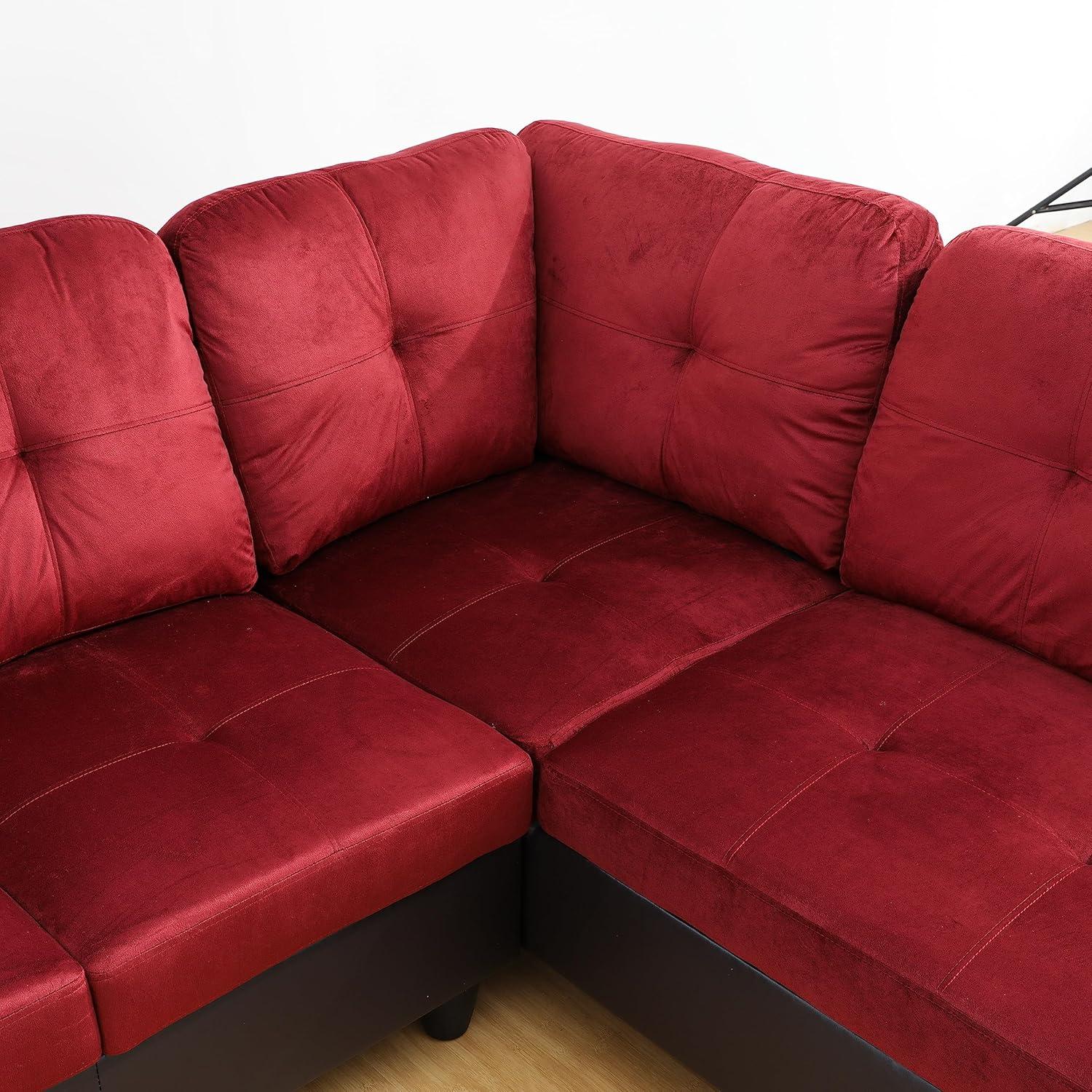
When you step into the living room the sectional immediately anchors the space with a strong red sweep against the black base; the two tones catch light differently, so the red panels can read brighter near a window and a touch deeper under lamplight.From a few paces away the L-shaped silhouette looks compact and purposeful, the chaise projecting into the room and creating a clear path you naturally trace with your feet. Up close, seams and stitching become part of the visual rhythm — you might run a hand along a cushion and notice the fabric gives a little, then settles, leaving faint creases were your palm passed.
As you lower yourself onto the seat the cushions yield in a way that makes the back cushions slump slightly forward, and you find yourself nudging them upright or tucking corners back into place; those small adjustments happen without thinking. The chaise detaches visually when someone has moved its cushion aside, turning that end into a shallow daybed for a moment before it’s smoothed again.Traffic around the sofa tends to funnel along the exposed side of the chaise, and the piece quietly defines where people sit, stand, and walk without shouting for attention.
How the red and black palette and angular silhouette play with your room’s light and scale
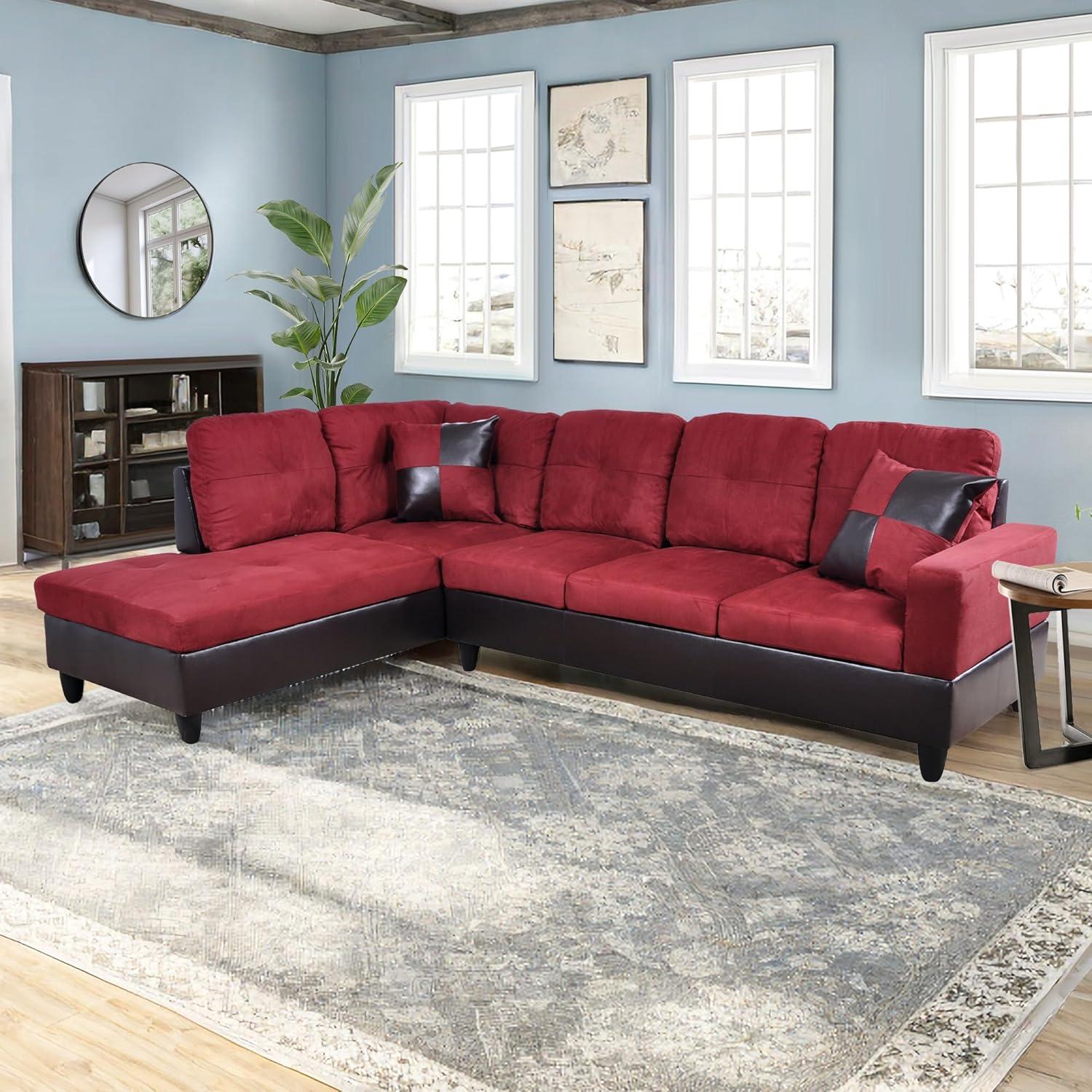
When you settle into the sectional, the red panels read as active surfaces that shift with the light — midday sun makes them glow, while incandescent bulbs soften them into a deeper, more orange-leaning red. The black sections act like a visual anchor: they absorb highlights and quickly mute specular reflections, so seams and stitching become more visible where the red meets black. As you move around the room or shift a cushion, small changes in angle send brief flashes of color across nearby walls; smoothing a back cushion or leaning against the chaise will alter those highlights in a way that feels almost tactile.
The couch’s angular silhouette cuts into the room’s lines. In bright, directional light the edges throw narrow shadows that emphasize the L-shape and make the sectional read as a defined plane; in softer, diffuse light those shadows soften and the whole piece can appear broader and flatter. If you reposition the chaise or split it off, the geometry changes how open or contained the space feels — the same volume that reads as an intentional corner anchor in a large room can, in lower light, make a compact space feel denser as the dark faces reduce visible depth. You’ll notice little habits — nudging cushions, straightening the back — that quietly change how those angles register, and in most cases the red will introduce warm bounce to nearby surfaces while the black keeps the boundaries crisp.
| Lighting | How the red reads | How the black reads | Perceived scale effect |
|---|---|---|---|
| Bright natural light | Vibrant, luminous | Matte, defined edges | Sectional reads crisp and planar |
| Warm indoor light | Richer, warmer tone | softer, less reflective | Feels more contained |
| Dim or diffuse light | Can appear muted | Absorbs detail | Can make the piece feel heavier |
Up close with the upholstery, frame, and stitching to see how the piece is put together
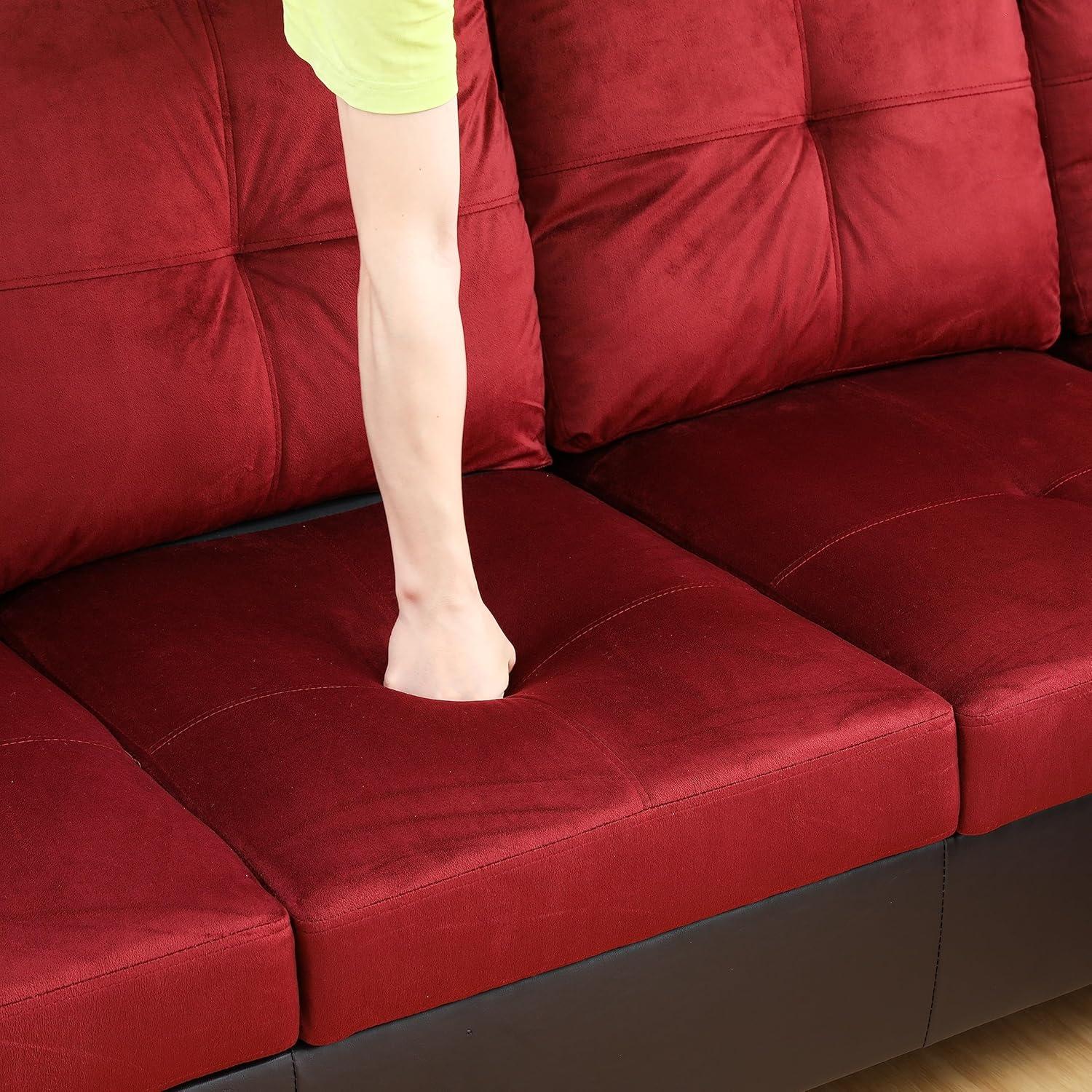
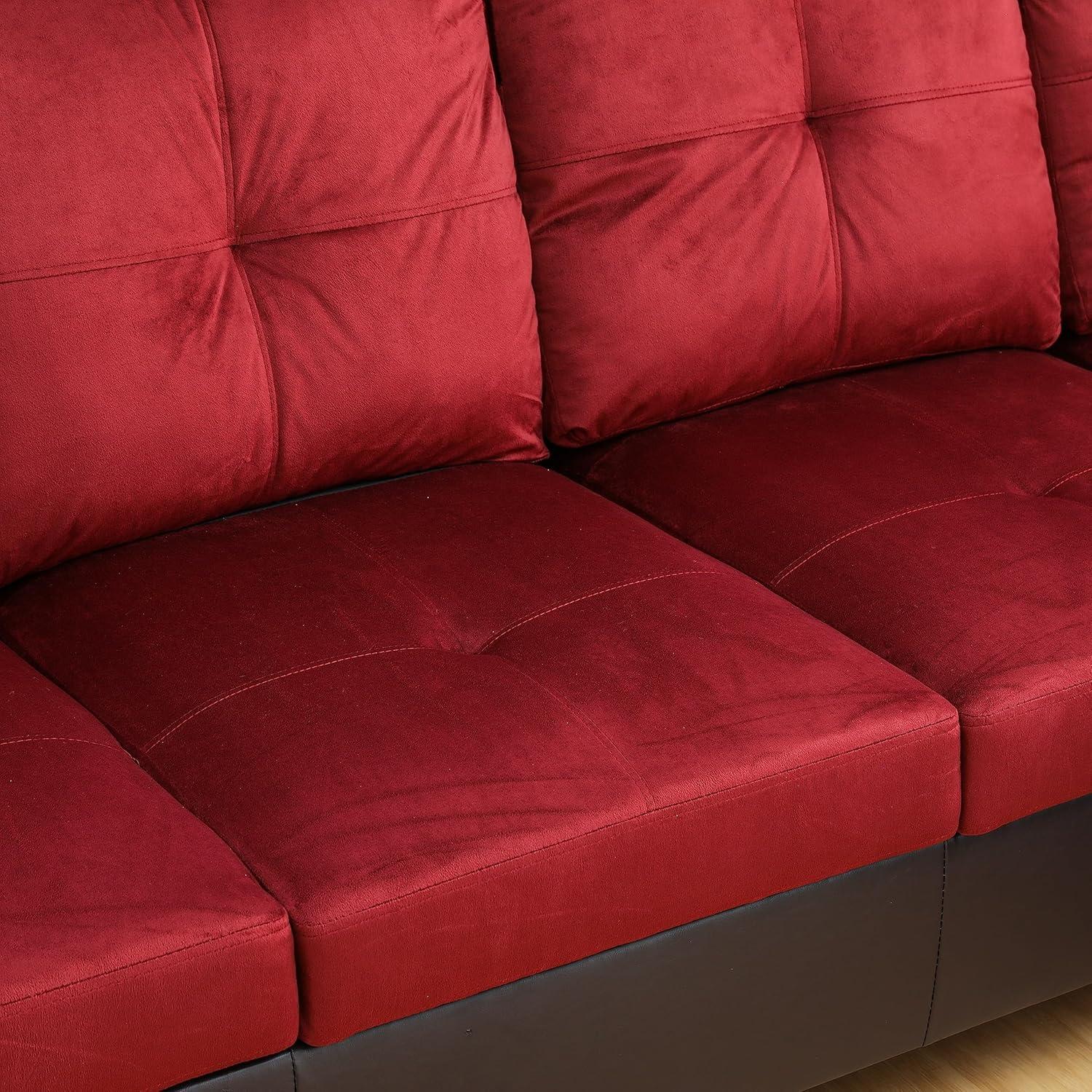
You notice the upholstery most when you settle in or smooth a cushion: the fabric has a faint nap that catches light differently as you move your hand across it, and the seams trace the edges where the panels meet. Around the seat and chaise edges a narrow piped fold runs the length, and the stitching there is denser—two parallel rows in places where you tend to tug at the cushions when shifting position. Small, single-thread bar tacks appear at corner junctions and along the back where straps meet the cover; occasionally you’ll find a lose thread tucked into a seam that you catch with a fingertip as you straighten the cushions.
Lift a cushion and the construction becomes more obvious: the fabric is pulled tight and secured underneath with staples and an inner flap,so you can see where the upholstery is anchored to the frame. The spring assembly and the webbing sit just beneath the foam; from that angle the springs are wrapped and held to a wooden platform with nails and metal clips. At the chaise junction there are metal brackets and slotted fittings that let the sections meet without exposed hardware on the seating surface, and the stitch lines where two covers abut are reinforced with extra rows of thread that tend to flatten over time as you move cushions into place.
| Area inspected | Visible detail | What you notice during use |
|---|---|---|
| Edge piping | Double stitching, narrow folded seam | Holds shape; you smooth it more than other seams |
| under-cushion fastening | Staples and fabric flap | Anchors upholstery; becomes obvious when cushions are removed |
| Corner junctions | Bar tacks and extra thread rows | Shows strain points when you swing legs up or sit on corners |
When you sit, lounge, or stretch out on the chaise: what the seat and back cushions do
When you lower yourself onto the chaise the seat cushion gives first — a noticeable compression beneath your hips that spreads outward as the spring layer settles. The surface pushes back slowly rather than snapping you up; your weight is taken across a broader area, so pressure beneath the thighs and the small of your back feels different from the middle of the seat. As you slide toward the chaise’s extended portion, the cushion beneath your knees flattens more easily than the part under your hips, and seams or quilting may wrinkle where your legs rest. You’ll find yourself smoothing the cover with a hand or nudging the cushion into place without thinking about it.
Leaning back, the back cushions yield in stages: the upper section compresses around your shoulders while the lower portion fills the hollow at your spine, and you frequently enough reach back to fluff or reposition them after shifting.If you stretch out fully along the chaise the back pieces can move slightly away from your torso,creating a shallow gap that you’ll usually correct by tucking or pushing the cushions forward. Over the course of an evening the padding tends to settle where you use it most, and when you stand the cushions rebound but may take a few moments to regain their original shape. Small adjustments — smoothing fabric,sliding a cushion,straightening a seam — are part of how the seating settles into the moment.
Mapping the footprint and measuring the space this sectional will take in apartments and reception rooms
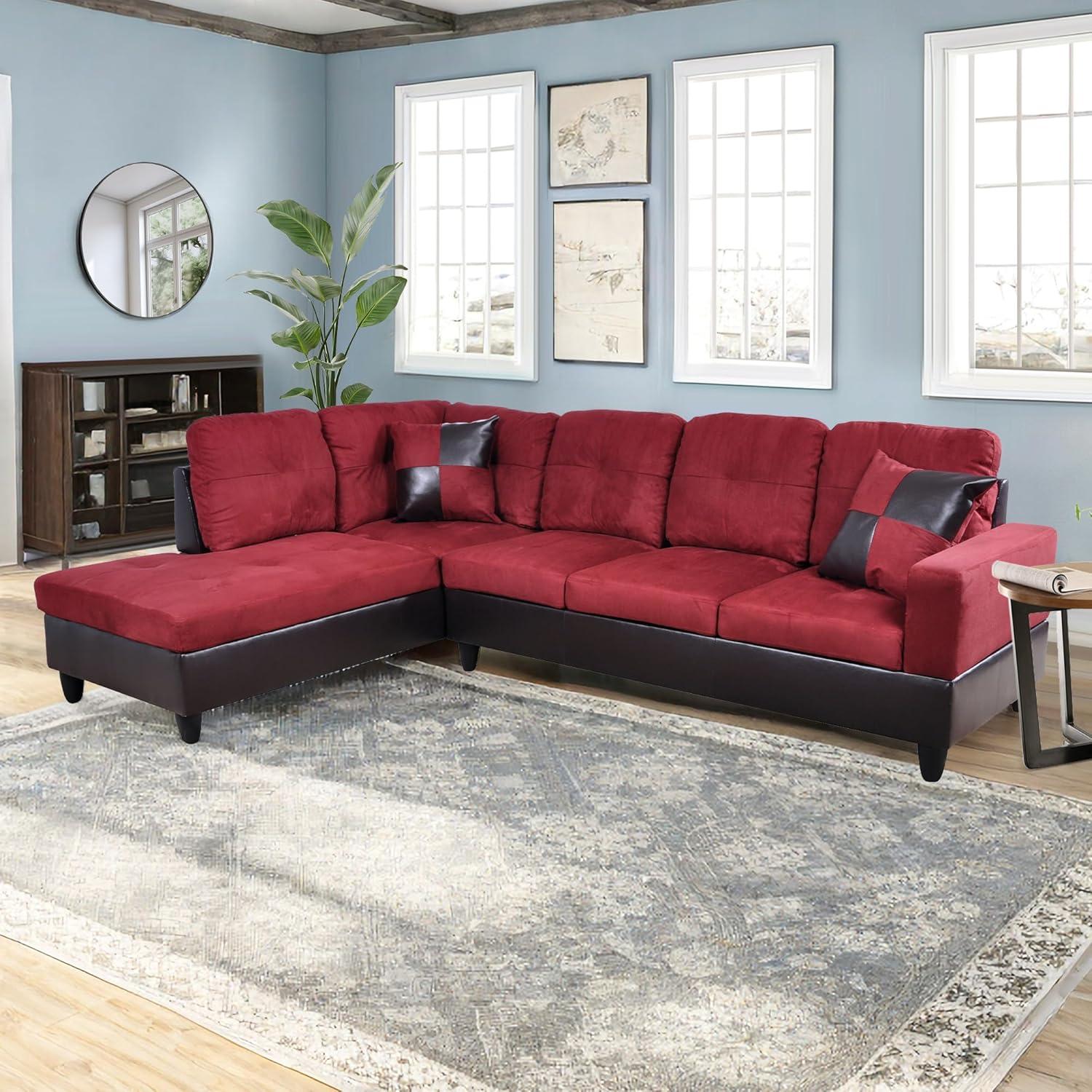
Measuring approach — A useful first step is to mark the intended outline on the floor with painter’s tape and step back to see how the shape sits in the room. Measure clear widths at entry points and along the route the sectional will travel; many placements require negotiating a hallway turn or a stair landing, and the chaise’s ability to seperate from the main unit tends to make moving and final positioning easier.While marking, notice how cushions are shifted and smoothed against the frame: those little adjustments change the perceived depth by a few centimetres and can make a tighter fit feel roomier or, conversely, reveal that extra clearance is needed when cushions are fluffed after use.
In tighter apartments the sectional’s silhouette often ends up hugging a wall or creating a corridor between the chaise and other furniture; in more open reception rooms the same footprint reads as an island and needs a wider circulation band. Allowance for passage and occasional movement around the piece is best judged by walking the taped outline carrying items you’d normally move past it — this tends to reveal pinch points more reliably than measurements alone. Small seam shifts and the way the chaise sits when detached can nudge the footprint by several centimetres over time, so factor in a modest buffer rather than relying on exact floor-plan dimensions.
| Consideration | What to measure | Typical allowance |
|---|---|---|
| Entry and transport | Door and hallway clear width; turning radius | Around 80–90 cm for narrow doors; check diagonal clearance for tight turns |
| Circulation | Walking space between sectional and walls/other furniture | Approximately 60–90 cm for comfortable passage; less for brief squeeze-throughs |
| Chaise and separation | Space when chaise is detached or used for reclining | Factor an extra 10–30 cm beyond the seated outline for foot movement and cushion shift |
View full specifications and size options
How this sectional lines up with your expectations, your space, and the real life limitations you might notice
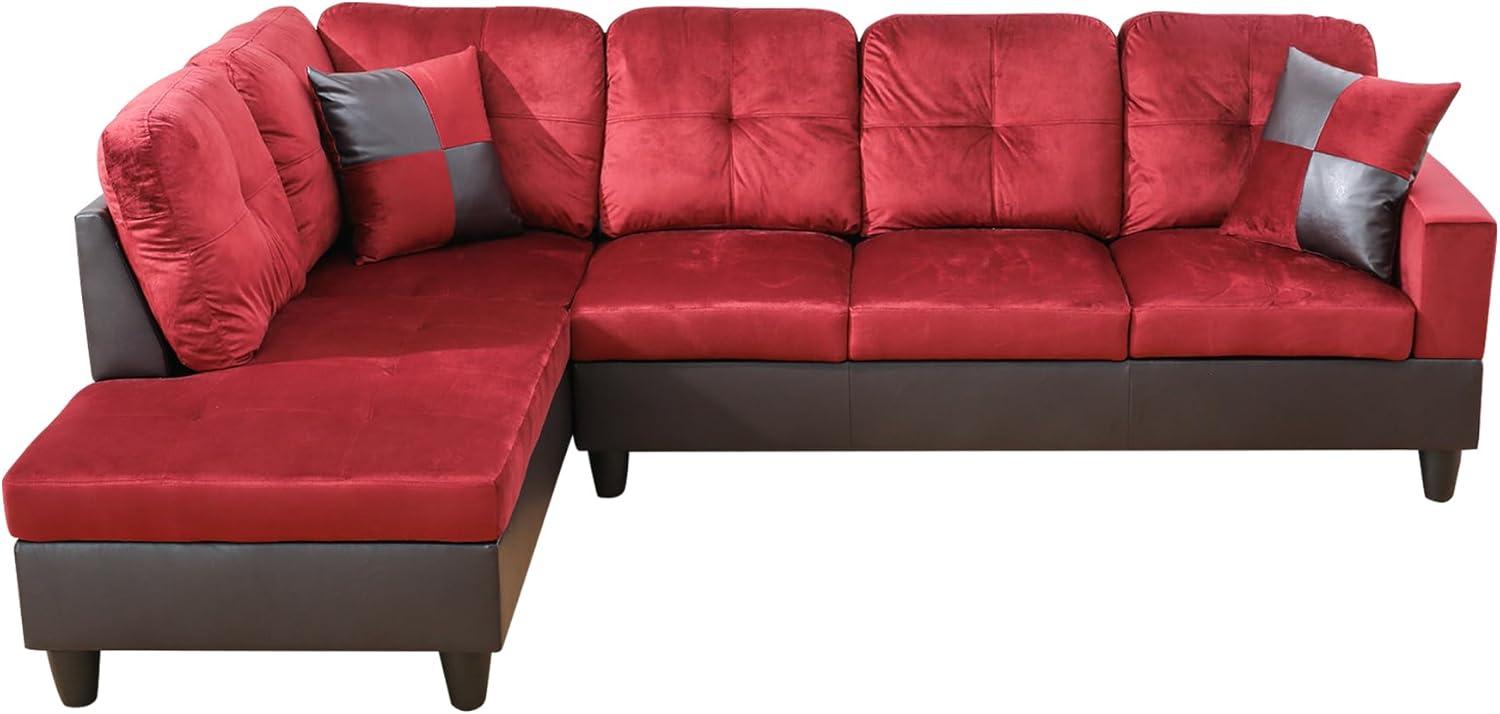
On paper, the sectional suggests a flexible footprint and supportive seating; in everyday use those intentions show up as small, practical habits. The chaise detaches and gets repositioned fairly often, and after a few days of regular use the seat cushions tend to compress into a slightly smoother plane that needs occasional smoothing. Back cushions will shift and slump toward high-contact spots, so light readjustments—fluffing, nudging seams back into alignment—become part of normal upkeep. The double-layer springs and dense foam give a balanced feel, but the centre seat can settle differently from the ends as occupants move, producing a subtle contour that people typically notice over time.
Fitting the sectional into a living space also reveals ordinary limitations that don’t show up in photos. Moving individual sections thru doorways or around tight corners commonly requires tilting and a couple of pauses; once in place, the pieces sit low enough that rugs and baseboards affect how easily the chaise slides. Converting the seating into a flat surface (or rearranging for a different layout) leaves visible seams and cushions that must be realigned, and small noises or creaks appear briefly as weight shifts and springs rebalance.
| Expectation | Observed in daily use |
|---|---|
| Modular chaise for flexible layouts | Detaches and reattaches with relative ease; pieces tend to shift and need resettling after movement |
| Consistent cushion support | Starts resilient but develops a gentler, settled contour where occupancy is frequent |
| Simple placement in rooms | Sectional can be awkward to maneuver alone; rugs and baseboards influence final positioning |
View full specifications and available size and color options on the product page
how it photographs and pairs with decor in staged apartments and reception settings
In photographs the red upholstery tends to read as a saturated anchor against the black base, with the chaise creating a clear diagonal that organizes a frame. Natural daylight usually brings out more texture in the weave and shows subtle shadowing along seams; warm indoor lighting can deepen the red and soften contrast, while on-camera flash or harsh studio lights flattens surface texture and highlights any lint or cushion creases. Close-ups of the seating reveal how slight pressing or smoothing changes the silhouette—the back cushions slump a little after use, seams relax, and the chaise split can form a negative space that draws the eye in wide shots.
Within staged apartments and reception layouts the sectional behaves like a visual boundary: its L-shape defines conversational zones in open-plan compositions and registers prominently in foyer-to-lounge perspectives. The black sections tend to act as a grounding element in wide-angle photos, reducing perceived buoyancy, whereas the brighter panels capture focus and can obscure smaller decorative objects in layered scenes.In most cases the finished look varies with small, habitual adjustments—shoving a cushion, straightening a seam, or shifting the chaise by a few inches alters balance in both stills and slower-moving video. Thes shifts also expose trade-offs: bold contrast highlights composition but can make dust and texture variations more visible.
| Lighting | Photographic effect |
|---|---|
| cool daylight | Red appears truer, fabric texture emphasized |
| Warm indoor light | Red deepens, contrast softens |
| Studio flash | texture flattens, seams and lint more apparent |
View full specifications and color options
How the Set Settles Into the Room
Over time the NicBex L Shaped Couch Sectional Couches for Living Room Morden Sofa Couch Upholstered Futon Sofa Bed with Chaise and Back Cushions for Reception Room and Apartment, Red and Black quietly eases into the room, its profile softened by small habits and the scatter of cushions. You notice how it reshapes corners of the apartment — a place to fold over a throw, to tuck a newspaper, to stretch out in the evening — and how its comfort shifts subtly with regular rhythms of sitting and napping. Surfaces pick up faint impressions where people land, edges darken where arms rest, and the fabric takes on the lived texture of daily routines as the room is used. It stays.
As an Amazon Associate I earn from qualifying purchases.
 NicBex L Shaped Sectional: smart placement, sizing and styling tips for living rooms, corners and small spaces. 2) See where the NicBex L Shaped Sectional belongs—layout ideas, dimensions and styling tips to maximize comfort and space.)