
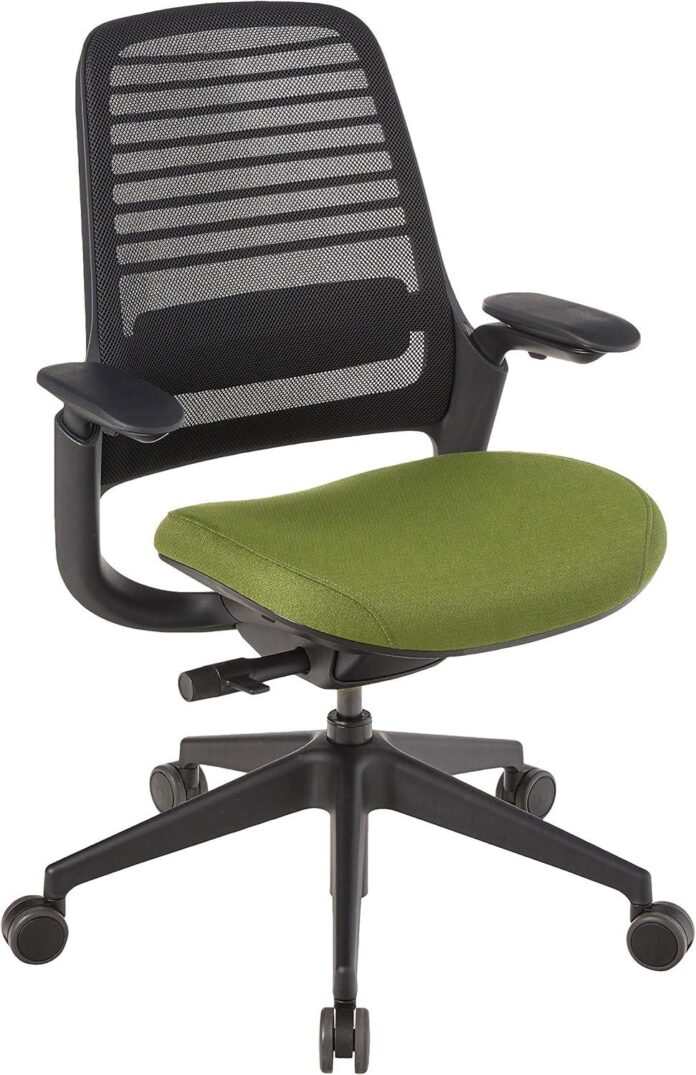
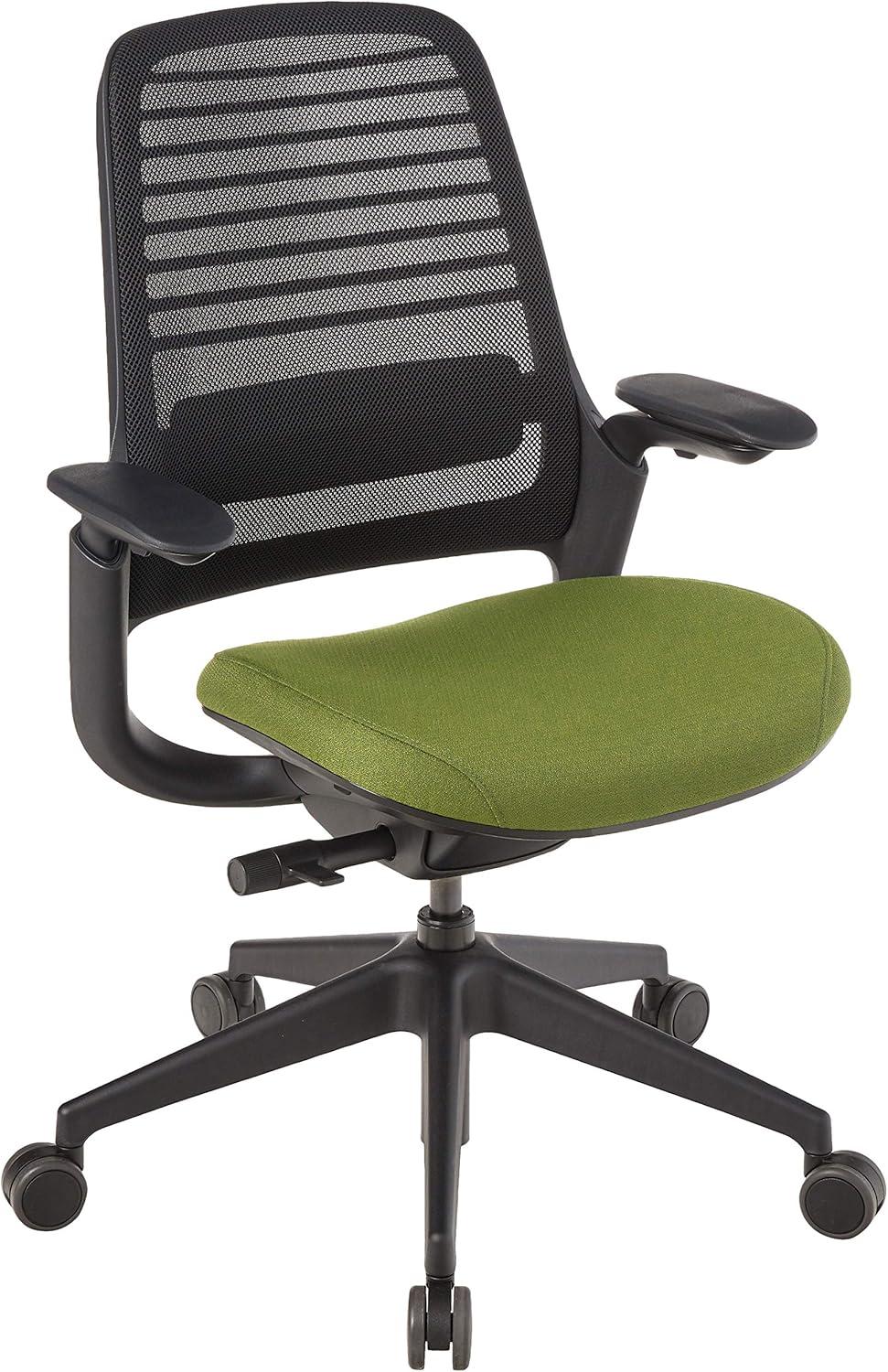
You notice right away — the steelcase Series 1 settles into the room with a quiet presence, more ample than a simple task chair yet not oversized. Sunlight skims the licorice frame and a hint of ivy at the seat, and the mesh back throws a soft shadow as you shift. Run a hand along it and the back gives with a springy, fabric grit; the seat yields evenly under pressure. On the carpet the casters roll with a steady, familiar resistance, and up close the subtle lumbar curve and bent seat edge read as thoughtful, workmanlike details.
When you first unbox the Steelcase Series 1 in Licorice with Ivy accents
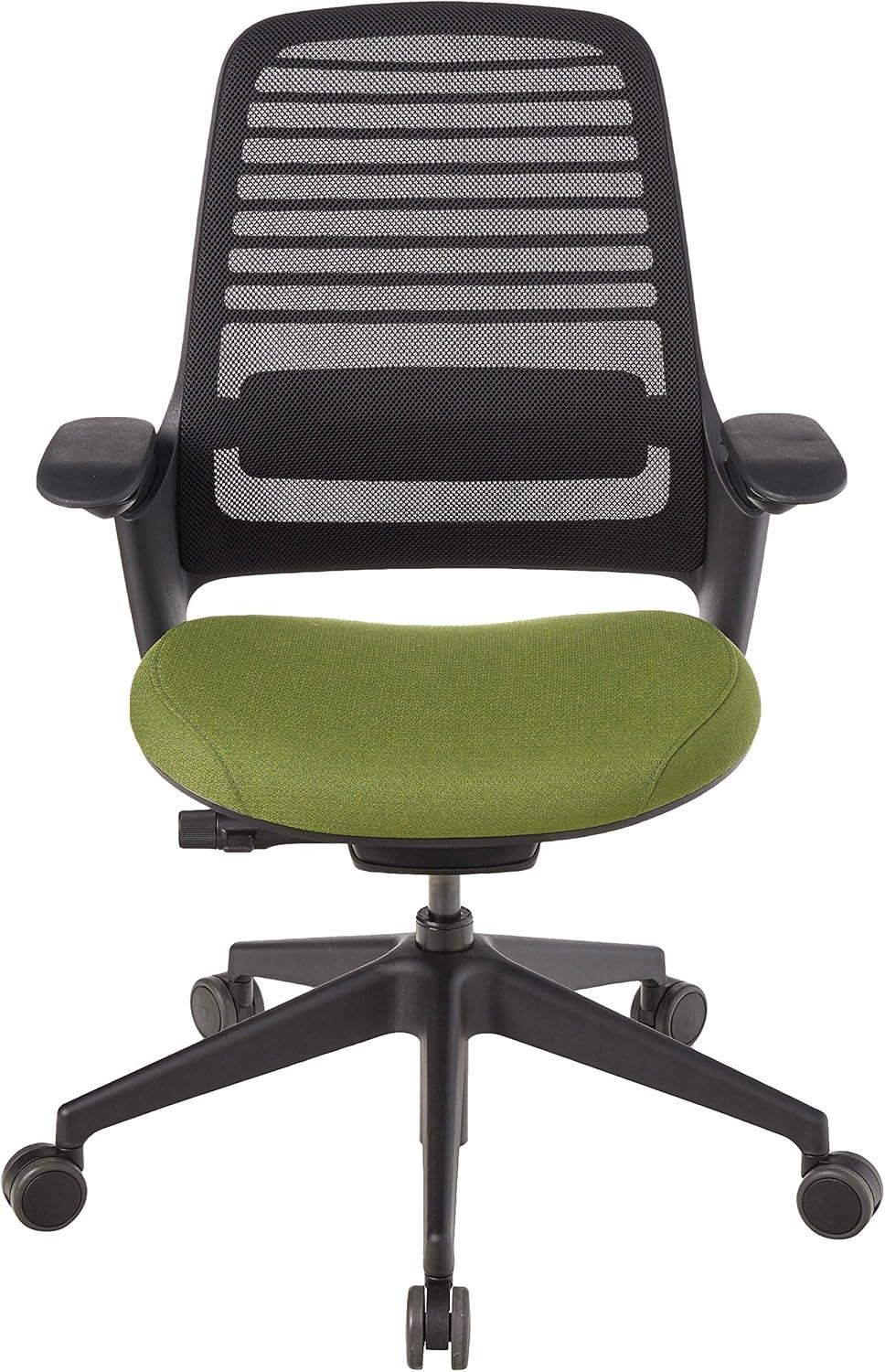
When you cut through the shipping tape and fold back the top flaps, the first thing you notice is the contrast: a deep, almost matte black against flashes of green where the accent trims poke through protective wrap. the pieces arrive cushioned in foam and thin cardboard; plastic film clings to glossy surfaces and peels away with a quiet snap. As you lift components out, parts feel heavier than they look in photos — the base has a measured heft, the backrest sits flat and wrapped, and the seat comes boxed with the edges tucked in so the green trim is the first detail to show. There’s a faint factory scent from adhesive and woven fabric that eases after a few hours, and your fingers trace seams and covered bolts, smoothing the fabric and nudging the trim into alignment almost without thinking.
Pressing the seat cover gives a gentle give, and the mesh at the back looks taut but not brittle; when you move the backrest slightly in your hands the weave shifts and the accent color becomes a thin outline along the edge. Hardware is sorted into a single packet and the instruction sheet unfolds into an exploded diagram you can follow while you lay everything out. For quick reference, the main contents and how they arrive are listed below.
| Item | State on arrival |
|---|---|
| Base | Wrapped in plastic, weighted |
| Seat (upholstered) | Boxed, edges tucked, accent visible |
| Backrest (mesh) | flat, protected by cardboard |
| Casters and gas cylinder | Separated, in small bags |
| Hardware & tools | Grouped in one packet with instructions |
What you notice about the finish, fabrics, and build up close
Up close you notice the black finish isn’t glossy — it has a muted, low‑sheen look that tends to hide light fingerprints but will show scuffs if you brush it with something abrasive. The frame and base feel solid under your hand; along the edges there are faint mold lines and very small assembly gaps where parts meet, the kind you smooth with a fingertip when you’re adjusting the chair into position. Fasteners are mostly tucked out of sight, though a couple of recessed screws and plastic clips are visible beneath the seat if you peek underneath.
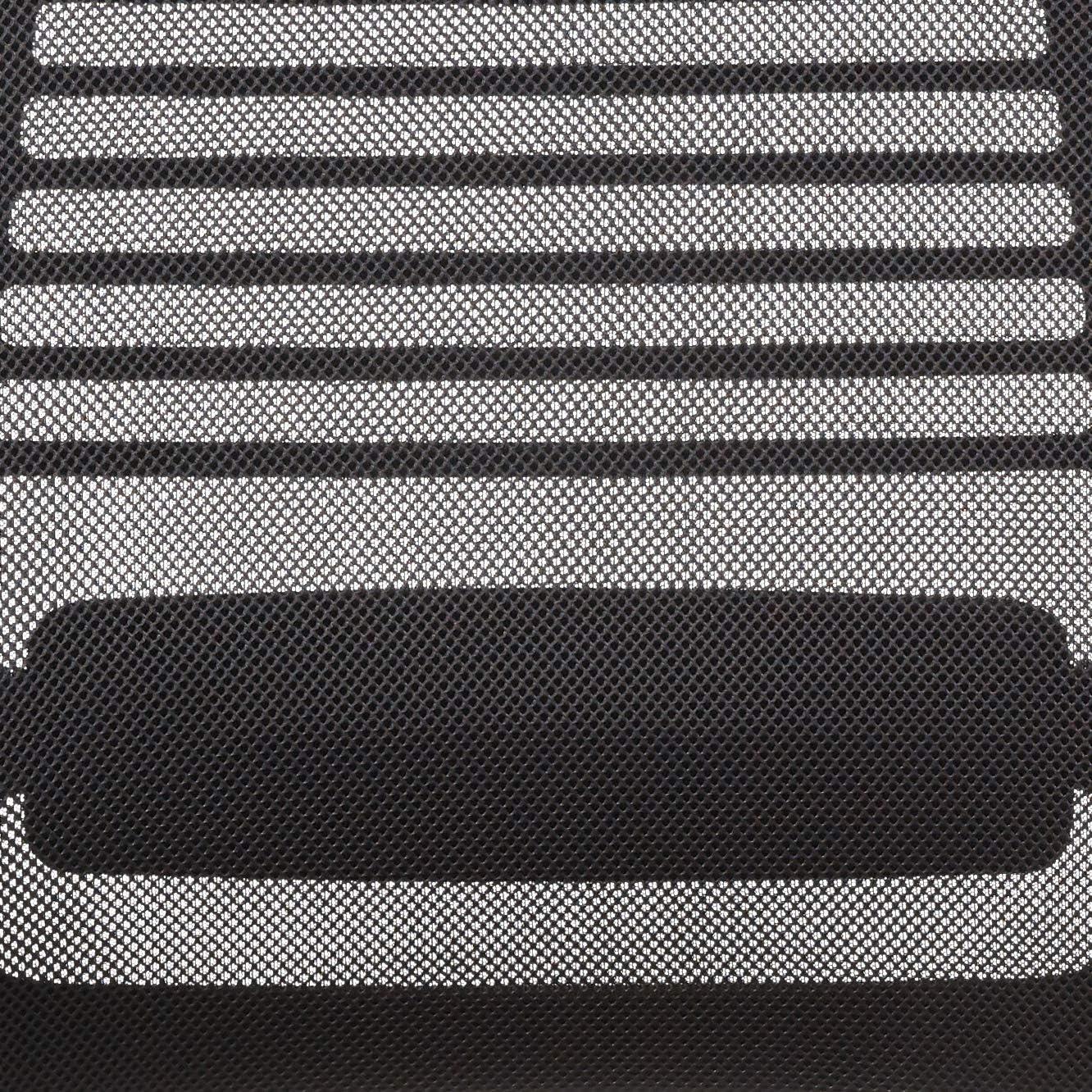
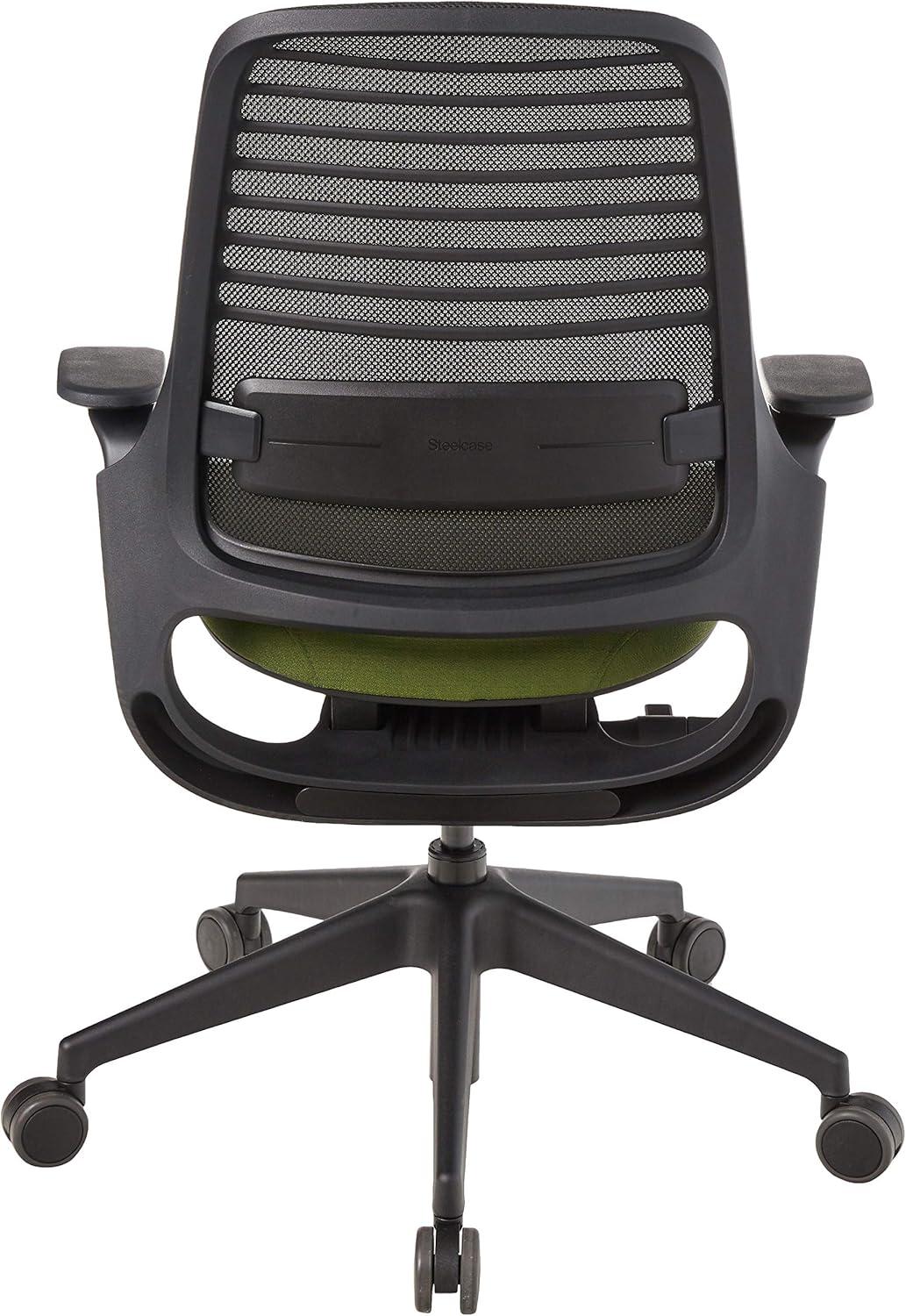
The back mesh reads as a fine, regular grid when you lean in: it gives slightly as you test it and bounces back, and the frame holds the mesh taut with a neat, bound edge.The seat fabric (a dense polyester weave) looks close‑knit at arm’s length; when you run your hand across it you feel a subtle texture rather than a plush nap. As you shift in the seat you’ll notice tiny creases form along the seams and at the front edge — they relax again after a moment, and you may find lint or pet hair resting in the weave until you brush it away.
| Component | What you notice up close |
|---|---|
| Frame & finish | Low‑sheen black, slight mold lines, recessed fasteners visible under the seat |
| Back mesh | Tight grid, gives under pressure, bound into the frame |
| Seat fabric | Tight polyester weave, subtle texture, shows lint/pet hair |
| Armrests & casters | satin plastic feel on arm pads, casters click into sockets with a small play when wiggled |
How the frame, carpet casters, and base occupy floor space in your room
The chair’s five-star base sits low to the floor, creating a roughly circular footprint that reads as a single, stable mass rather than a set of separate legs. the black frame and base visually ground the piece; the carpet casters rest at the perimeter and, on softer pile, tend to sink a little so the chair appears slightly more embedded in the floor. From a distance the back and seat let light pass, but at ground level the base defines the area that must stay clear for normal use.
When the chair rolls or swivels, the occupied area doesn’t expand much—the casters trace arcs within that circular footprint—but movement can shift loose rugs or nudged items along the caster path. Recline and seat adjustments change the user’s center of mass and the way the wheels push into the carpet, so the chair sometimes leaves faint tracks on plush surfaces and can feel a hair less stable where the casters have settled. Over time the casters and base tend to mark looped or high-pile carpets more noticeably than low-pile floors.
| Condition | Typical observed span |
|---|---|
| Static (parked) | ≈ 26–30 inches across at the caster tips |
| Rolling/swiveling | Same span; movement traces arcs within that circle |
View full specifications and color options
How the seat shape, lumbar support, and armrests align with your body and adjustments
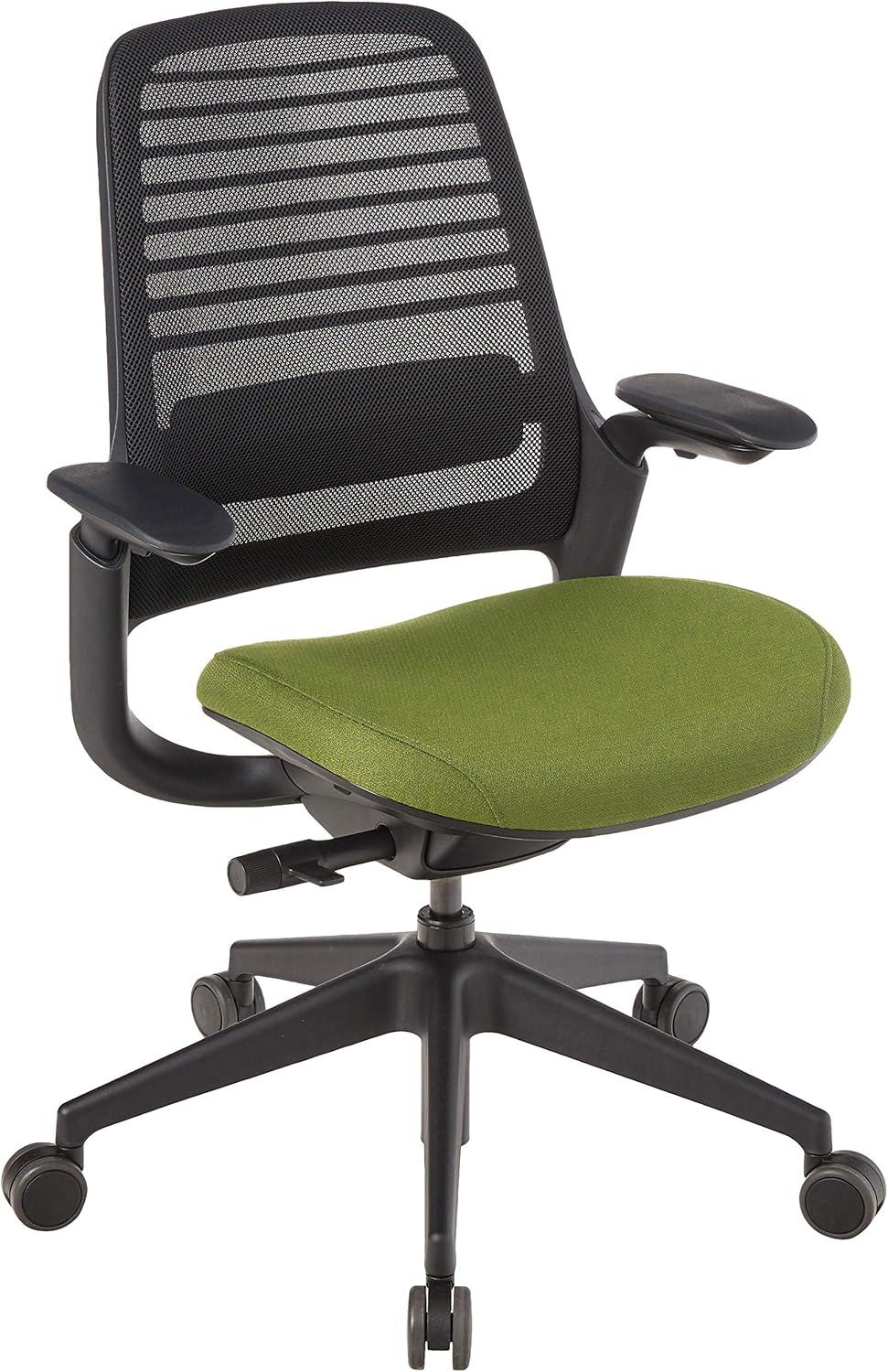
When someone settles into the chair, the seat pan and back move together in a way that keeps the pelvis supported as posture shifts. The foam in the seat compresses under weight but recovers when the sitter shifts forward or back; the flexible front edge gives a small, noticeable bend that eases pressure under the thighs as the legs are adjusted. The back’s flexing surface tends to track the spine so the lumbar area rides with the lower back during recline,though that contact point can shift slightly with bigger posture changes. Small habits—sliding forward to reach a keyboard, smoothing the seat fabric after standing, or nudging an armrest—change how firmly the lumbar section sits against the lower back and how much of the seat surface is actually supporting the thighs.
A few common adjustments visibly alter alignment in predictable ways:
| Adjustment | How alignment changes | observed effect |
|---|---|---|
| Seat height | Raises or lowers hip-to-knee angle | Higher settings bring knees closer to the seat edge and can shift lumbar contact forward; lower settings deepen thigh support |
| Seat depth | Changes how much of the thigh is supported | Sliding the seat forward shortens thigh contact and increases back-to-chair distance; sliding it back increases full-thigh support and can press the lumbar more into the lower back |
| Arm height | Sets elbow and shoulder elevation | Correct height aligns forearms with the work surface; limited lateral or depth movement means the arms sometimes require slight shoulder rotation to rest naturally |
| recline tension / lock | Alters how freely the back moves relative to the seat | Looser tension lets the back follow larger leans, keeping lumbar contact dynamic; tighter settings hold the torso more upright and stabilize the seat-to-back relationship |
Minor trade-offs show up in daily use: the back’s adaptive motion generally preserves lumbar contact during small shifts, yet larger reaches or extended forward work can reduce that contact until the sitter repositions. Likewise, the fixed lateral position of the armrests means users frequently enough adjust their arms or shoulders to find a comfortable resting line rather than the chair moving to meet the arms.
View full specifications and available color options
A day at your desk with this chair and how it moves between tasks and breaks
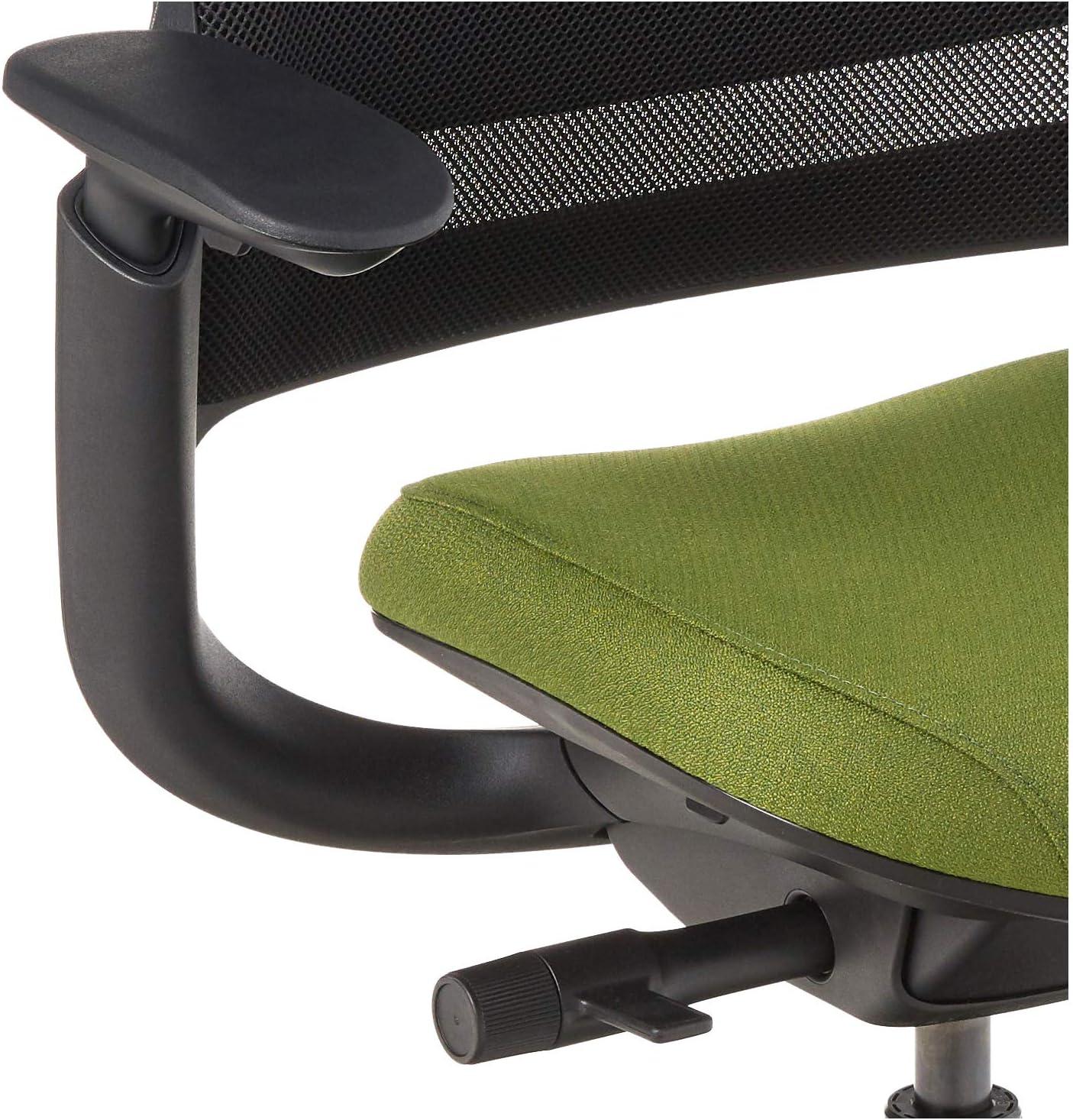
You start the day by settling in, nudging the seat forward or back until your knees have a little space, and raising or lowering the arms so your forearms meet the desk. As you move from focused typing to reading a long document, the seat and back tilt together; when you lean back to think, the back flexes around your spine and the seat follows, so your feet stay planted while your shoulders open.Small, unconscious tweaks happen throughout—smoothing the fabric where your thigh meets the edge, shifting slightly forward for a quick reach, or twisting the tension knob after a stretch so the recline feels a touch firmer.
During short breaks you’ll roll away to the kitchen or swivel to check a phone, and on carpet the casters move with a steady push rather than gliding effortlessly. The arm height setting becomes an easy swap between a lower position for reading or snacking and a higher one for returning to focused work. When you get back, a brief pull or a tiny twist of your hips re-centers you; the chair settles into the same working zone you left, making transitions between tasks and pauses feel incremental rather than abrupt.
| Task | Typical chair movement |
|---|---|
| Focused typing | Upright position, minimal recline, arms set for support |
| Reading or reviewing | small recline, back flexes to support an open chest |
| Thinking break | Leans back into flexor support, feet remain planted |
| Short away-from-desk tasks | Swivel then roll across carpet with a deliberate push |
How it measures up to your expectations and what limitations you might notice in real use
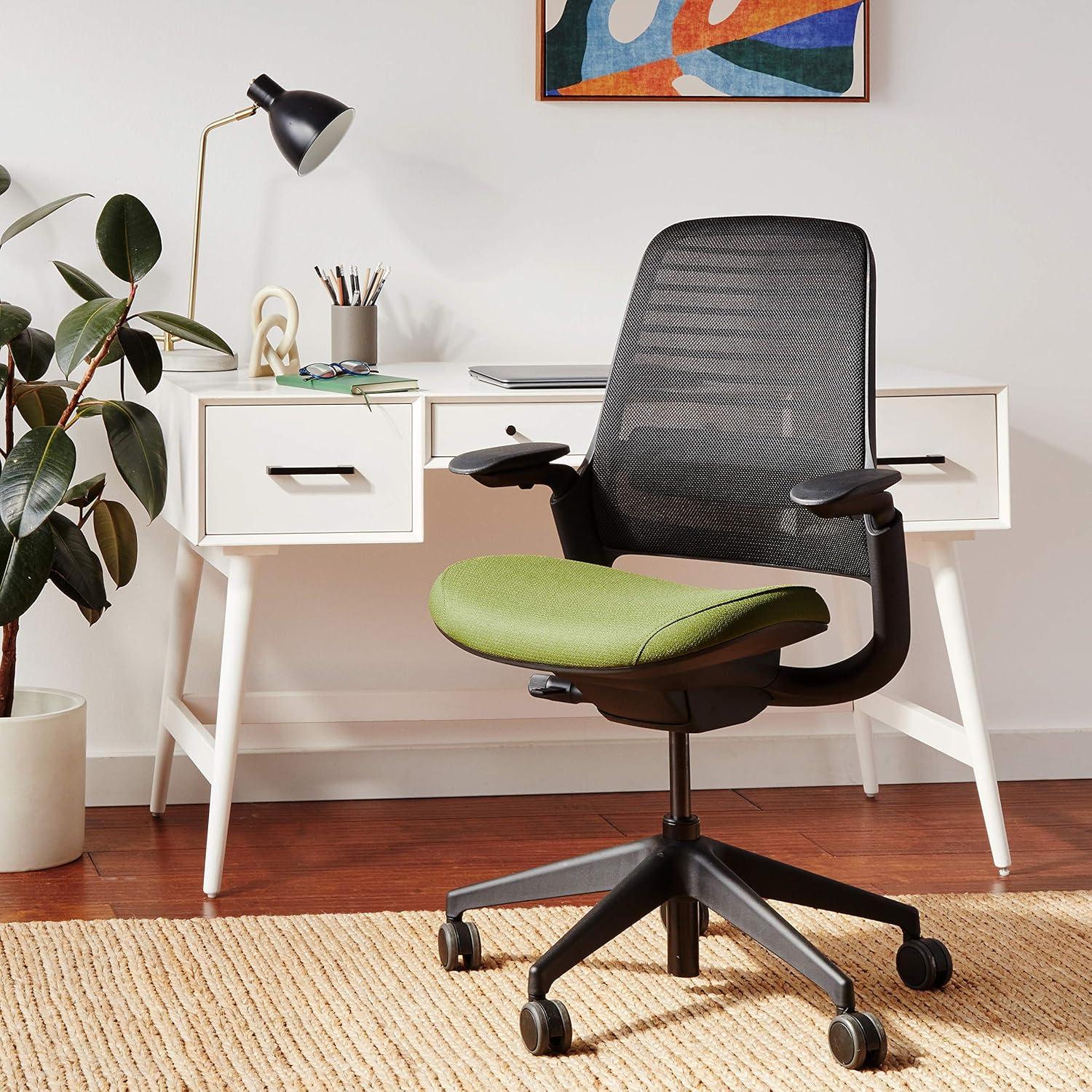
On first use, many users report that the chair behaves much like expected: the back follows small shifts in posture and the seat gives a measured amount of compliance when settling in. After several hours of continuous sitting the synchronized tilt tends to keep the torso and feet in alignment, though people often reach for the recline-tension dial once or twice to fine-tune the feel.Over days of regular use the foam compresses slightly in familiar pressure zones, and habitual adjustments — smoothing the seat fabric, nudging the seat depth setting, or angling the body to line up with the armrests — become part of how the chair is lived-in rather than a one-time setup task.
Observed limitations show up in everyday contexts more than on a spec sheet. The armrests’ single-plane movement can feel limiting during tasks that require lateral support, and the lack of fore-aft or pivot adjustment tends to prompt small posture shifts. Casters designed for carpet roll predictably on low- to medium-pile surfaces but can drag or require extra effort on deeper pile; the chair’s overall mobility therefore varies with flooring. the tilt and tension mechanisms perform consistently, yet they can seem either a touch firm or permissive depending on an individual’s weight distribution, so minor readjustments are common after prolonged sitting. fast-paced micro-movements — swiveling quickly between two monitors or pivoting to reach a shared surface — reveal the chair’s built-in trade-offs between stable support and fluid motion.
| Expectation | Typical observation |
|---|---|
| Responsive back support | generally follows posture changes, with small tweaks to tension over time |
| Seat comfort over a day | Comfortable initially; foam settles into consistent pressure points after repeated use |
| Armrest adjustability | Heightworks as was to be expected, but lateral or pivoting adjustments are absent |
| Caster performance on carpet | Rolls well on low pile, slows down on thicker carpeting |
View full specifications and available color options
How the chair sits within different rooms and desk setups you own
Placed at a full-size desk in a dedicated home office, the chair tends to settle into a steady working position: the occupant leans back slightly between tasks without losing reach to the keyboard, and the seat often gets nudged forward a click or two to clear desk aprons. In a compact corner workstation the backrest and arm housings feel closer to surrounding surfaces, so users commonly scoot the seat forward more frequently and smooth the seat covering after extended calls as fabric shifts against the desk edge. At adjustable-height or sit‑stand setups the chair spends more time at mid-raise; when set higher the sitter will often angle the pelvis forward and make small arm adjustments to match a raised keyboard, and when lowered it tucks nearer the desktop, where armrests may sit just under the lip.
| Room / Desk Setup | Typical interaction | Observed behavior |
|---|---|---|
| Dedicated home office,standard desk | Long stretches of seated work | stable positioning; occasional seat-depth tweaks and smoothing of the seat cover |
| Small corner desk or compact workspace | Frequent forward shifts,limited lateral clearance | more forward seat adjustments; slight rubbing where fabric meets desk edge |
| Adjustable-height / sit‑stand desk | Rapid height changes during the day | Raised use prompts forward lean and arm repositioning; lowered use allows closer tuck under desk |
| Shared spaces (living room,kitchen island) | Mixed activities,quick transitions | Quick swivels and short pushes; occasional re-centering after reaching or leaning |
Flooring subtly alters routine: on softer surfaces the chair tends to remain where it’s parked,while on harder floors small swivels can lead to slight repositioning over time; occupants often pause to reset or smooth seams after moving between rooms. These patterns develop with normal use—adjusting the seat or smoothing the fabric becomes an unconscious part of shifting from one task or room to another.
View full specifications and color options
how It Lives in the Space
Living with it, you notice how the Steelcase Series 1 Office Chair, Carpet Casters, Licorice/Ivy settles into the corner of your room over time, fitting itself into the paths you already use. In daily routines it adapts to your movements — the seat shapes itself around you,the tilt answers predictably,and the casters map small routes across the carpet as the room is used. Months in,surface wear reads like a record of ordinary life: a softened sheen where arms rest,faint scuffs low on the base,all of wich add to its everyday presence. Eventually,in the quiet rhythm of your days,you notice it simply stays.
As an Amazon Associate I earn from qualifying purchases.
