
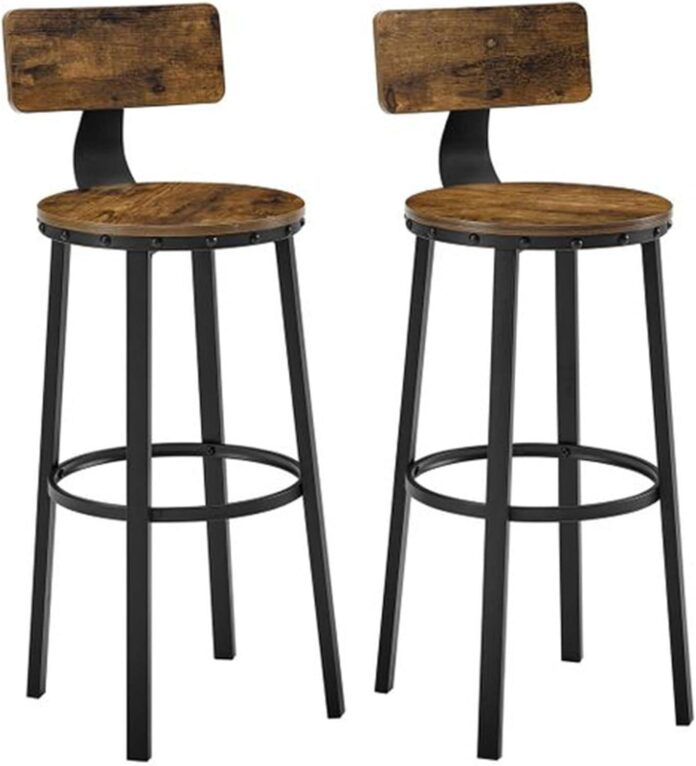
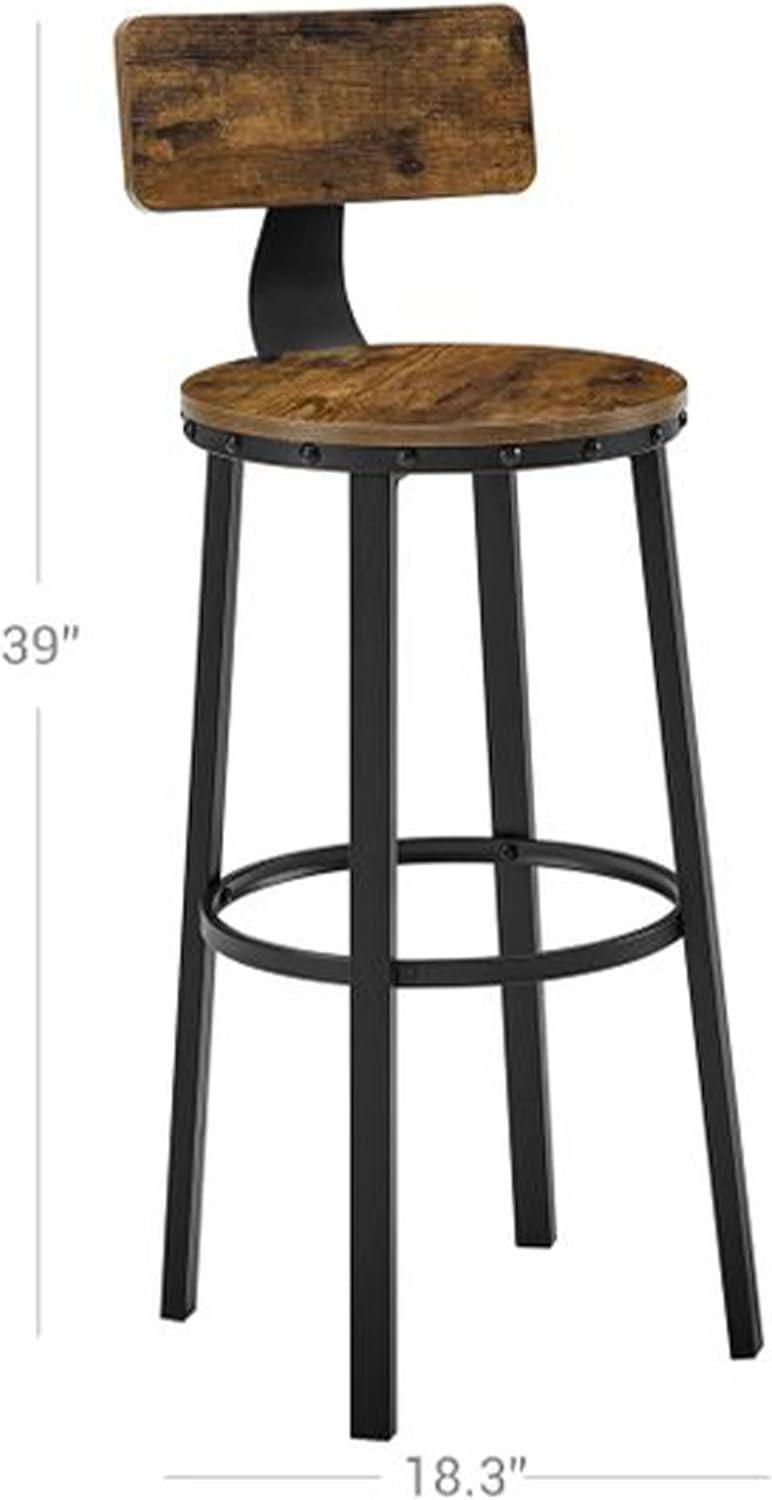
You run a hand over the round seat—cool, subtly grained faux wood that catches the light—and the pair reads like a small, industrial punctuation in the room. the VASAGLE Bar Stools (set of 2, rustic brown and ink black) have matte black legs that look lean from afar and show the welds and rivets up close. they sit taller than a dining chair, with a compact footprint that tucks neatly under the counter but still gives the island a bit of vertical presence. The steel frame feels solid to the touch, the footrest takes your weight without drama, and the wooden seat is firm rather than plush—an honest, lived-in presence rather than a hidden luxury.
Your first look at the VASAGLE bar stools a quick tour
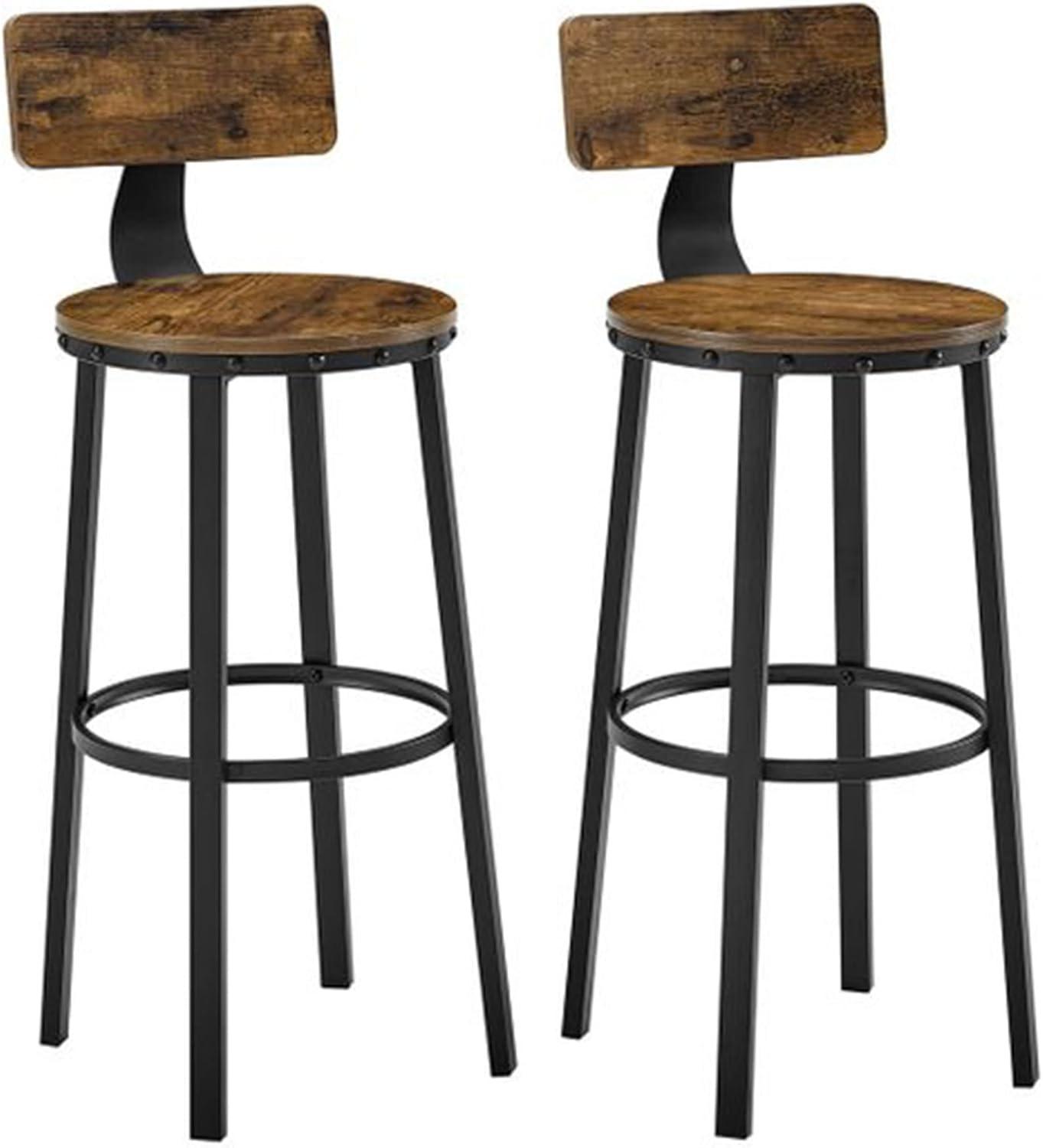
When you first unpack a stool, your eyes are drawn to the contrast between the dark metal frame and the wood-look seat. Run your hand along the seat and you’ll feel the textured finish—slightly rough in places, smooth where the coating settled. The rivet details catch the light and sit low against the backrest, and you might find yourself smoothing a seam or nudging a screw cover into place without thinking. Lifting one gives you a quick sense of the weight; it isn’t featherlight, but it’s manageable to move across a kitchen floor.
Sliding onto the stool for the first time, you notice how the seat edge meets your thighs and how the backrest curves into your lower back. The wooden surface can feel firm under you, so you shift once or twice to find a position, and you may instinctively rest your feet on the circular footrest to settle in. If you rock or shift,the stool tends to settle rather than immediately spring back,and any slight wobble often becomes less noticeable once you’re seated. Small details—paint on a screw head, a hairline gap where panels meet—are more apparent up close and while you fidget with posture, and those are the things that shape your immediate impression.
| At a glance | On first sit |
|---|---|
| Wood-look finish, matte metal frame, visible rivets | Firm seat surface, curved backrest contact, footrest alignment |
How the rustic brown seat and ink black steel frame shape the industrial vibe in your space
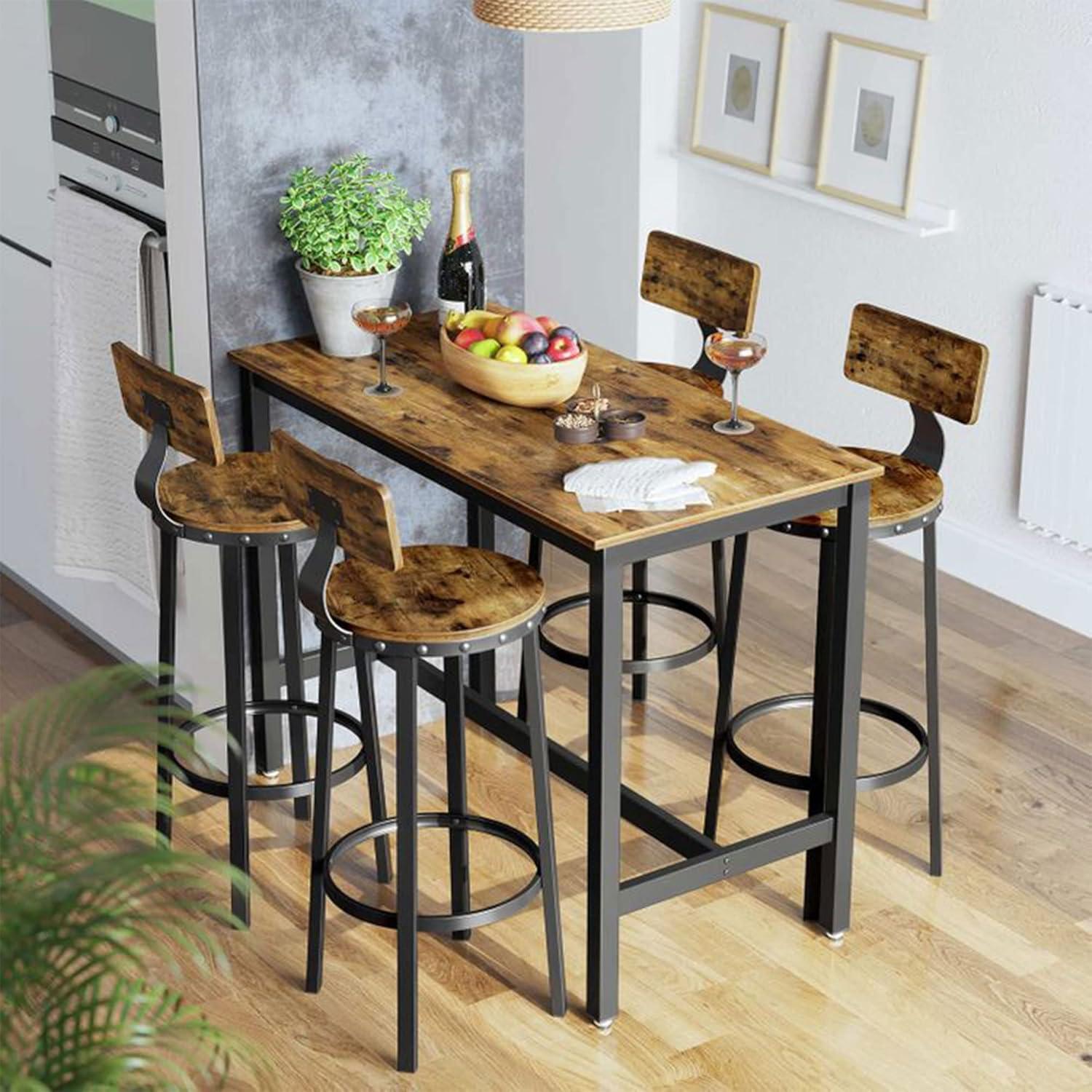
When you look at the pair, the warm, textured brown of the seat reads like reclaimed wood against the stark, ink-black lines of the frame. That contrast—soft,irregular grain next to straight,engineered metal—is what gives the setting an industrial edge: the seat brings a lived-in warmth while the frame reads like a workshop sketch come to life. Exposed fasteners and the frame’s thin profile punctuate that effect, so from across the room the stools sit as compact, functional silhouettes rather than decorative pieces.
Up close and in use, the interplay keeps revealing itself. under warm kitchen light the brown deepens and the grain looks richer; in daylight the black becomes a sharper boundary around the seat. When you shift on the stool, there’s a quite exchange of sensations—the wooden surface gives a soft, hollow thud while the metal answers with a faint metallic click—small, everyday sounds that reinforce the utilitarian mood. You’ll find yourself smoothing the seat with your palm or brushing the frame with a sleeve without thinking about it; over time small scuffs and dust show differently on each surface,so the seat can mellow while the frame keeps its architectural clarity. These ordinary interactions—how light, touch and movement reveal material contrasts—are what shape the industrial vibe in your space.
Up close with the steel frame welds seat finish and hardware
Put your hand under the frame and you’ll notice the joins where tubes meet — the welds are visible as slightly raised beads rather than a seamless line. Up close they show the same matte black coating as the rest of the frame, though the coating thins a little at the edges of the welds and can reveal a faint silver through the paint where the bead is highest. When you shift your weight or nudge the stool, those junctions are the points that make the smallest noises and the slightest give, the sort of mechanical sounds and tiny flex that come from metal parts working together over time.
On the seat you feel the textured wood-look surface first: it takes fingerprints and crumbs differently than smooth lacquer, and when you slide off or pull the stool back from the counter you’ll sometimes notice small scuffs along the rim. the hardware — hex bolts, decorative rivet heads and the exposed screw fastenings — sits flush in most places but shows traces of paint on some screw faces, which can catch your fingernail as you tighten them. As you fumble for the Allen key you may find yourself smoothing a seam or nudging a bracket into alignment; the sight of a tiny paint blob on a bolt or a slightly misaligned hole is more common than perfectly pristine metalwork.
| Component | What you see | How it feels or behaves in use |
|---|---|---|
| Welds | Raised beads with matte coating; occasional faint silver edges | Warm to the touch after sitting; small audible clicks when shifting weight |
| Seat finish | Textured, wood-look veneer with visible grain pattern and light abrasion marks | Resists slippery sliding; shows crumbs and light surface scuffs over time |
| Screws & bolts | Hex and Phillips heads, some with paint residue or slight misalignment | Can be snug to start; sometimes needs extra torque or a power driver to seat fully |
| Foot caps & rivets | Rubber foot pads and decorative rivet heads; frequently enough seated but not always perfectly centered | Provide grip on floors; may compress slightly with usage |
Seat geometry back curve and footrest placement as seen in use
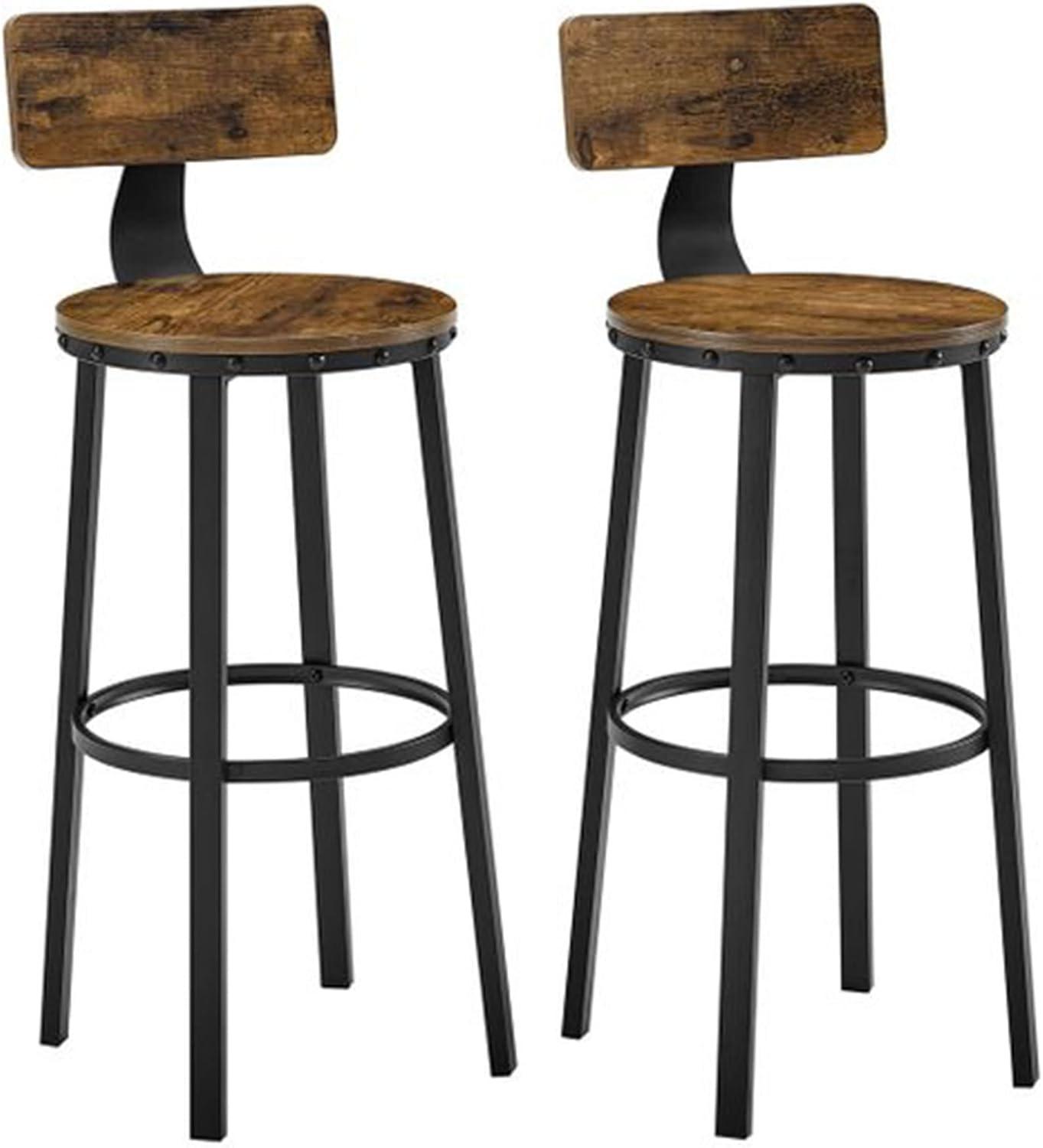
When you lower yourself onto one of these stools the seat presents as a fairly flat, slightly concave disc; your thighs land on a broad surface and the back curve meets you low on the spine. As you settle, the backrest tends to cradle the small of the back rather than the upper back, so most of your torso support comes from leaning the lower ribs into that shallow curve. After a few minutes you may find yourself nudging forward a bit—smoothing the seat with your palm or shifting so the seat edge bears more weight—which changes how the backrest makes contact.
The circular footrest sits close enough to the seat that your feet find it quickly. In a neutral, upright posture your feet typically rest with the balls of the feet or heels on the bar; when you perch forward to eat or work at the counter the top of your feet press flat against the rung. As you shift position—rock slightly, uncross legs, or pull the stool back from the counter—your feet slide along that welded ring and the contact point moves between ankle and mid-shin. The metal has little give, so those small shifts are perceptible underfoot.
Observed together, the back curve and footrest encourage a forward-leaning, short-stay posture more than a long, reclined one. Reviewers commonly report that sitting in this arrangement for longer periods tends to prompt readjustments—people shift forward, hitch a foot up on the rung, or reach for a cushion—rather than settling into a deeply reclined position. Over the course of use you may notice the posture pattern repeat: feet reposition first, then the torso follows.
| Typical posture | how the back curve engages | Footrest contact point (common) |
|---|---|---|
| Perched forward (eating/working) | Minimal back contact; lower back slightly supported | Top of foot / toes rest lightly on rung |
| Neutral upright | Lower spine rests against the curve | balls of feet or heels on the bar |
| Leaning back briefly | Brief lumbar contact; upper back unsupported | Shins or ankles press the rung |
How they fit into a day at your kitchen island and move around during regular traffic
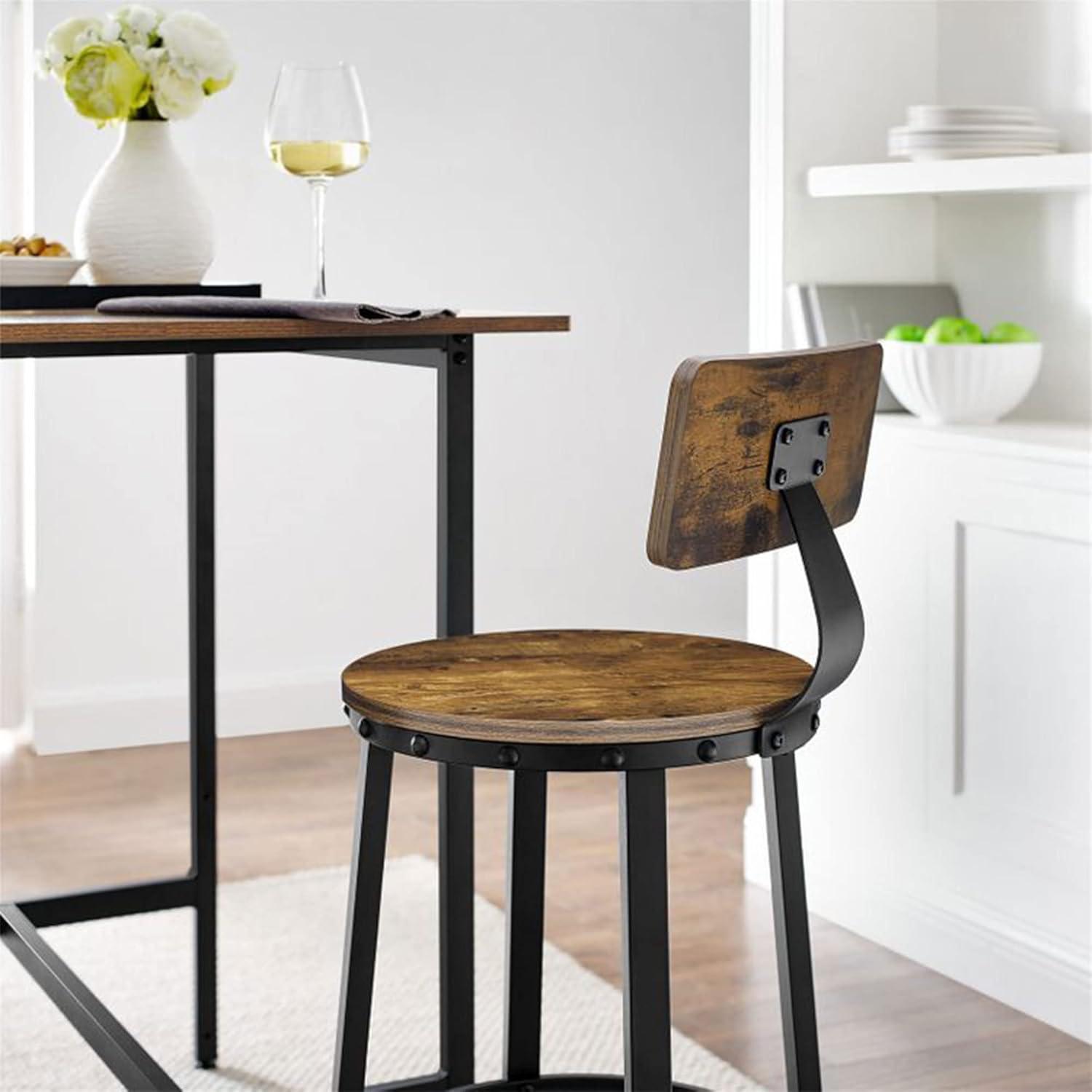
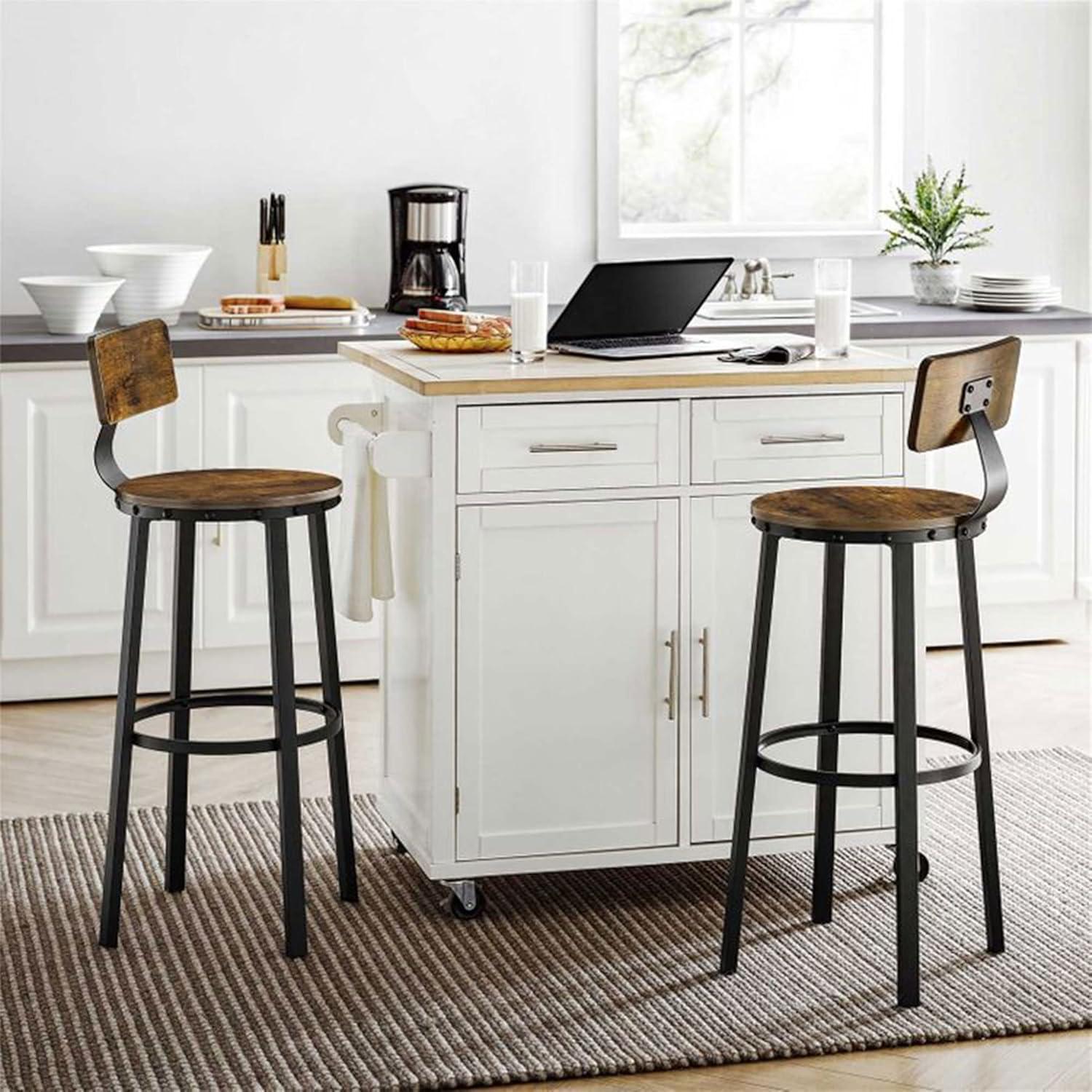
Most mornings you slide one of these stools up to the island without thinking — the footrest gives a natural place to brace as you scoot the seat forward, and the seat usually settles into place with a quiet scrape rather than a loud clang. When you stand to reach a pot or grab an ingredient, the stool often moves a little with you; you’ll notice yourself shifting your weight or nudging the leg once or twice to get it perfectly aligned with the counter edge. Over the course of a meal you might smooth the seat with your palm or reposition so the backrest sits just behind you,small habits that happen without planning.
Through everyday traffic — kids weaving between you and the sink, someone passing by with their hands full — the stools tend to behave predictably. They can feel slightly wobbly if someone tilts or turns suddenly,and small adjustments with a foot are sometimes needed to stop a gentle wobble. The footrest collects most of the scuffs from shins and shoes, so the seat and back seldom take the brunt of quick movements. Moving a single stool across the floor is straightforward; moving several at once, or dragging them repeatedly across a hard surface, can leave faint marks over time.
| moment | observed behavior |
|---|---|
| Quick breakfast | Slide in and out smoothly; one-handed scooting is common |
| Meal prep with company | Backrests catch light contact; people shift weight frequently |
| Cleaning or sweeping | Stools get nudged aside; non-slip pads usually keep them from sliding too far |
In practice, the stools integrate into the daily rhythm without drawing attention, though they do show minor signs of being used — tiny scuffs on the foot area, occasional re-tightening after active use, and the instinct to nudge a wobble back into place.For some households, that blend of quiet function and low-maintenance presence becomes part of how the island gets used throughout the day.
View full specifications and available options
What to expect from these stools in everyday use and typical limitations
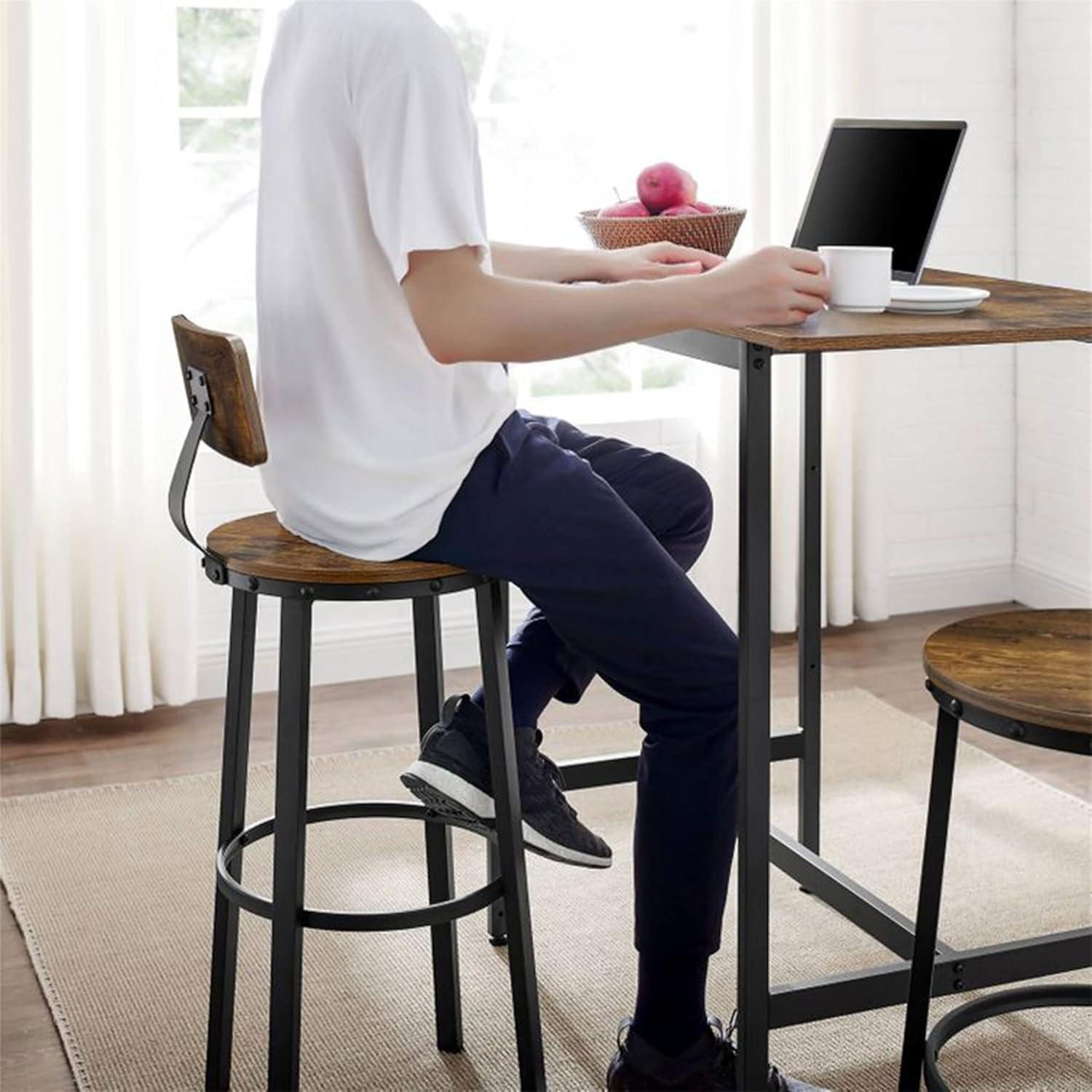
In everyday use these stools tend to behave like straightforward,no-frills counter seating: short meals and quick chats usually go smoothly,with people shifting their position or scooting a few inches to find a comfortable spot. The wooden seat surface can feel firm over longer stretches,and users will often change posture more frequently than on cushioned chairs.At some counters the height reads as noticeably tall; at others it fits without fuss. Small habits—brushing crumbs off the seat, smoothing a sleeve across the edge, angling feet on the footrest—are common and shape how the stools perform in routine moments.
| Typical timeframe | Common observations |
|---|---|
| First few days | Mostly steady; minor wobble or alignment quirks may appear until all fasteners settle |
| first few weeks | sitting is fine for meals; some users notice firmness becomes more obvious during longer sits |
| After a few months | Reports vary: many remain serviceable, while a portion note loosened joints, increased wobble, or metal fatigue in stress points |
Typical limitations show up as patterns rather than single faults. Stability can change over time for some households,with occasional twisting or looseness reported; fasteners and welds are the elements most often mentioned when that happens. The finish holds up under indoor use but is less resilient where moisture or heavy outdoor exposure occurs.Assembly-related alignment issues can influence day-to-day feel—pieces that don’t sit perfectly flush can translate into a persistent shimmy when someone shifts weight.Across reviews, comfort during extended lounging is less consistent than comfort for dining-length use, and aesthetic wear such as minor chips or paint nicks appears in higher-traffic settings.
View full specifications on Amazon
Putting them together a walkthrough of assembly steps and the tools you use
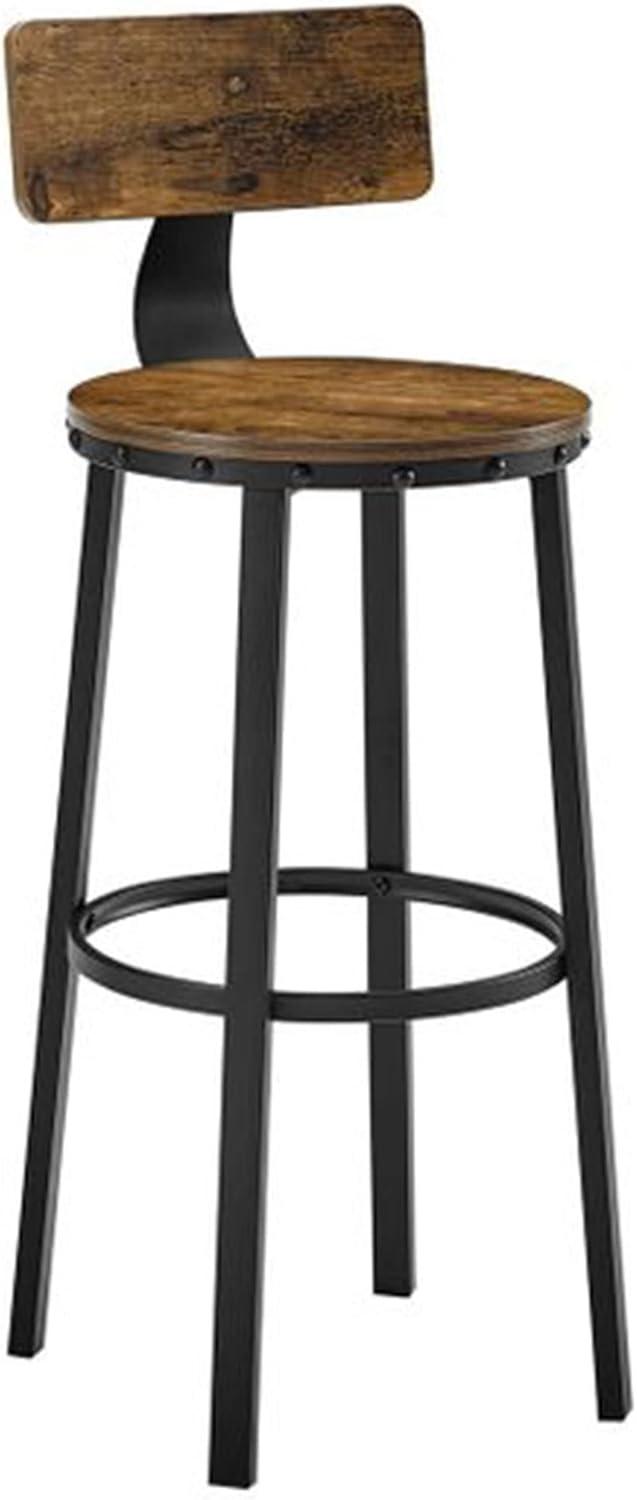
When you open the box you’ll likely find a handful of wrapped metal pieces,the wooden seat panels,a circular footrest,and one or two small hardware bags. Lay everything out on a soft, clean surface so the wood finish doesn’t pick up scratches. As you handle parts you might notice a faint factory smell, a few flecks of dust or paint on screws, and that some holes need a little nudging to line up. It helps to brush off loose packing material and run your hand along the edge of the seat once or twice — you’ll do that without thinking as you check orientation and fit.
Step 1: Position the backrest and seat so the pre-drilled holes face each other, then insert the short screws and start each one by hand. Step 2: Fit the legs to the seat (and the back assembly if it’s a combined frame),again inserting fasteners by hand first; don’t fully tighten anything yet. Step 3: Add the circular footrest,aligning it around the legs and threading its screws or bolts; you’ll probably need to wiggle the legs slightly to get all holes to match.go back and tighten fasteners in a crisscross pattern so the frame draws together evenly — a gradual, even tightening tends to reduce that loose, wobbling feeling before everything is fully snug. While you work you’ll find yourself holding pieces with your knees or resting the assembly on its side to access hard-to-reach screws; that’s normal, and the included Allen key usually does the job, though a powered driver speeds things up if you have one.
| Tool | when you use it |
|---|---|
| Included Allen wrench | Hand-tightening initial screws; fine for most steps but slow by hand |
| Power driver with Allen bit | Speeds assembly when screws feel painted-over or stiff; saves wrist strain |
| Small adjustable wrench | Holding nuts while you turn bolts, if needed |
| Soft cloth or towel | Protects finishes while aligning parts on the floor |
Once all fasteners are snug, put the stools upright and sit on them briefly to test for movement — you’ll likely find a tiny bit of give at first that usually settles after a final tightening. It’s common to re-check and retighten screws after a day or two as the metal and wood seat settle under use. During that first test-sit you may smooth fingerprints off the seat, shift the stool a bit to see how the footrest feels, and re-tighten a stubborn bolt you thought was done; those small adjustments tend to be part of the process.
How the Set Settles Into the Room
You don’t notice them arriving so much as the way they find their place over time in the flow of the kitchen, how the VASAGLE Bar Stools Set of 2, Bar Height Stools, 28.9 Inches Counter Barstools chairs with Back for Dining Kitchen Island, Steel Frame, Industrial Style, Easy Assembly, Rustic Brown and Ink Black tucks into conversation and morning routines. As the room is used, your movements around the island shape where they sit and how they bear weight, and the seat surfaces and finish quietly take on the small impressions of daily life. in daily routines they show their comfort behavior in short rests between tasks, the way someone leans back while stirring coffee or perches for a quick check of messages. In time each stool stays,simply blending into your everyday rhythms.
As an Amazon Associate I earn from qualifying purchases.
 Recommended (≈148 chars) VASAGLE Bar Stools Set of 2 — tall, sturdy stools that fit most kitchen islands. Read our quick review, specs, and buying tips to choose the right fit. 2) Short (≈118 chars) Shop VASAGLE Bar Stools Set of 2 — tall, modern stools ideal for kitchen islands. Sturdy build and comfy seats; quick review inside. 3) Keyword-rich (≈152 chars) VASAGLE Bar Stools Set of 2 — tall counter-height stools for kitchen islands. Stylish, sturdy, easy assembly. Read the review, specs, and buying guide.)